
Why Industrial Commercial Supplies Are the Backbone of Every Productive Shop
Industrial commercial supplies are the equipment, tools, infrastructure systems, and consumables that keep professional service facilities running — think compressed air systems, heavy-duty lifts, fluid delivery systems, and exhaust extraction.
If you manage an automotive or industrial facility, here's what you need to know quickly:
- What they are: Shop-level equipment and infrastructure (lifts, compressors, piping, fluid systems) plus consumables and safety products
- Who needs them: Commercial garages, fleet maintenance facilities, collision centers, and industrial operations
- Why they matter: The right supplies directly impact technician productivity, equipment uptime, and your bottom line
- How to source them: Through specialized B2B distributors who offer bulk pricing, fast delivery, and expert installation support
- Key buying consideration: Centralized procurement through a trusted supplier can cut costs by 15–30% on repeat purchases
For facility managers, downtime is the enemy. Every hour a lift is offline or a compressor fails is an hour your technicians aren't producing revenue. The global industrial supplies market reflects just how critical this sector is — valued at roughly $178 billion in 2023, it's on track to reach $245 billion by 2030. That growth is driven by one simple reality: professional operations cannot function without reliable, purpose-built equipment and supply chains behind them.
This guide walks AutoTech Solutions' clients through everything that matters — from sourcing the right shop-level systems to building smarter procurement strategies that reduce costs and keep your facility running at full capacity.
Industrial commercial supplies basics:
The Landscape of Industrial Commercial Supplies in B2B Sectors
In the B2B sector, navigating the procurement of industrial commercial supplies requires a deep understanding of distribution channels and supply chain efficiency. Unlike B2C retail shopping, where purchases are transactional and immediate, B2B procurement relies on centralized distribution networks and strategic supply partnerships.
For professional shops operating in high-demand hubs like Novi, MI, or across North Carolina in Charlotte, Raleigh, and Wade, having a streamlined sourcing model is essential. Centralized distribution networks—such as those utilized by national suppliers like Global Industrial Company - Industrial & Commercial Supplies or regional specialists like Professional Maintenance & Supplies, Inc | Wade, NC - Procore—allow facilities to consolidate their purchasing.
Consolidating your supplier list does more than just cut down on invoice paperwork. It streamlines your B2B sourcing by routing multiple product categories through a single distribution channel. Whether you are sourcing structural components from specialized regional suppliers like Building Supplies and Building Materials in Charlotte, North Carolina or ordering specialized tools from WhaleSupply.com | Industrial, Electrical, Safety Supplies and Tools, working with a centralized partner ensures consistent lead times and predictable shipping costs.
For commercial facilities, this structured approach to logistics is the difference between a shop that runs like a well-oiled machine and one that constantly battles operational bottlenecks.
Core Categories of Shop-Level Infrastructure and Equipment
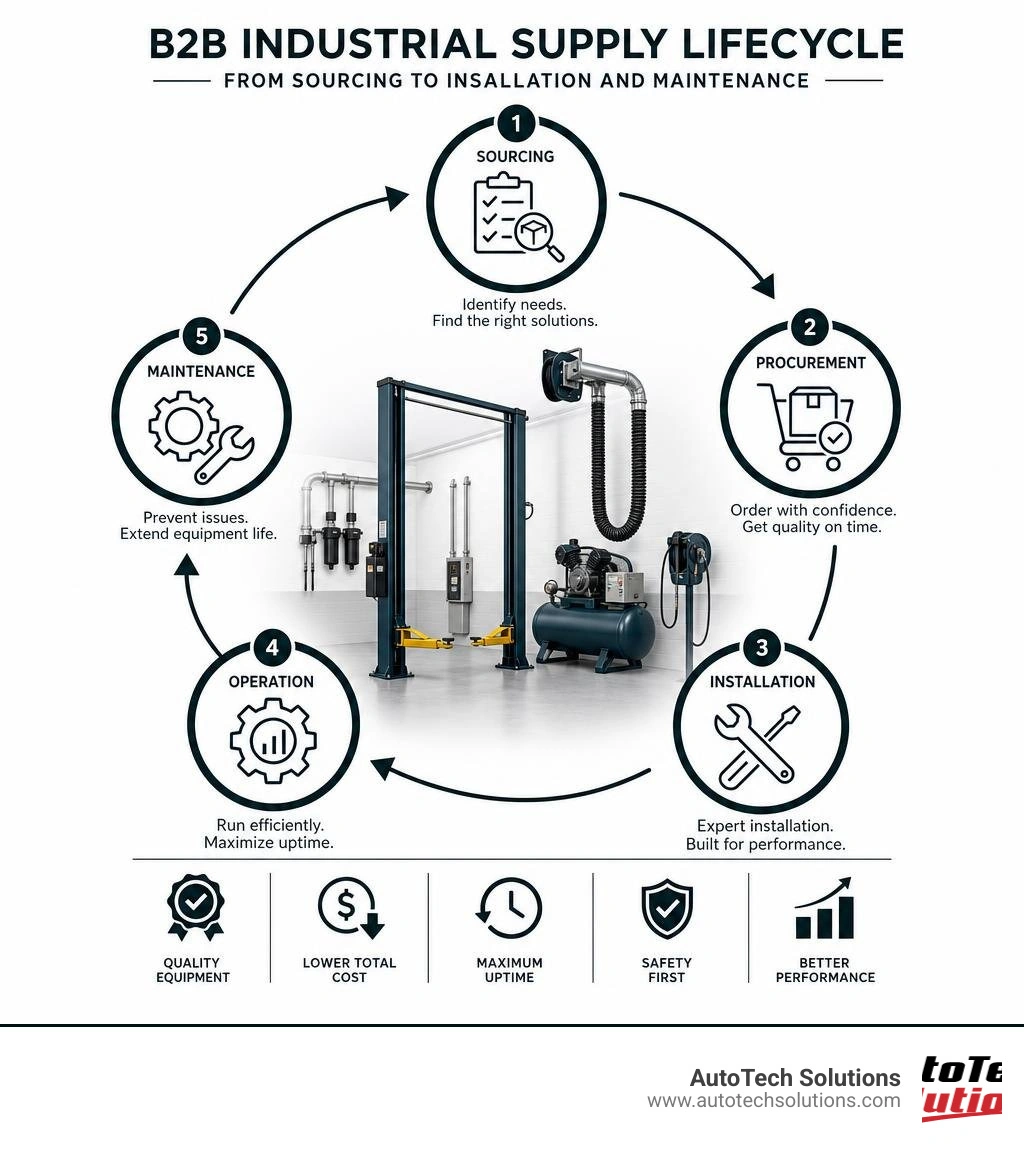
To maximize productivity, a professional facility must be designed around high-performance, shop-level infrastructure. These are not standalone tools; they are integrated systems that require professional planning, installation, and maintenance.
Key shop-level infrastructure categories include:
- Exhaust Extraction Systems: Essential for maintaining air quality and regulatory compliance, these systems safely capture and remove harmful emissions directly from the shop environment.
- Fluid Delivery Systems: Centralized systems that route oil, coolant, and specialized fluids directly to technician bays, eliminating manual transport and reducing waste.
- Compressed Air Systems: The pneumatic power source for almost every heavy-duty tool in your facility.
Investing in high-quality systems from the start is critical. For a comprehensive breakdown of the essential machinery required to outfit a professional facility, consult our Automotive Shop Equipment Complete Guide. If you operate a fleet maintenance or heavy-duty commercial garage, configuring your shop with specialized Heavy Duty Shop Equipment is the first step toward long-term operational efficiency.
Heavy-Duty Lifts and Alignment Systems as Essential Industrial Commercial Supplies
At the heart of any commercial service bay is its lifting and alignment equipment. These systems are massive investments that dictate the workflow of your entire shop floor.

When selecting heavy-duty lifts, facility managers must choose the right configuration for their specific fleet profile:
- Two-Post Lifts: Ideal for light-to-medium commercial fleets, offering excellent under-vehicle access for routine maintenance.
- Mobile Column Lifts: The ultimate solution for heavy-duty fleet maintenance. These heavy-duty lifts can be moved as needed, allowing technicians to turn any flat bay into a heavy-duty service area.
- Alignment Racks: Precision-engineered platforms designed to handle heavy wheelbases while providing accurate measurements for commercial wheel alignments.
Safety is paramount when dealing with heavy machinery. Every lift in your shop should carry industry-standard safety certifications (such as ALI certification) and undergo routine structural inspections to protect your technicians and prevent catastrophic equipment failures.
Air Compressors and Fluid Management in Industrial Commercial Supplies
Pneumatic power and fluid delivery are the lifeblood of daily shop operations. Without a reliable compressed air system, your air tools, tire changers, and lift locks grind to a halt.
For commercial and industrial shops, rotary screw compressors are the industry standard. Unlike smaller reciprocating compressors, rotary screw models are engineered for 100% continuous duty cycles, delivering a constant, reliable stream of pressurized air without overheating.
To complement your compressor, a professional fluid management system is essential. This includes high-durability lubrication reels, computerized fluid meters, and rigid piping networks that deliver oil, grease, and water exactly where they are needed. Properly designed fluid and air networks eliminate clutter, minimize trip hazards, and prevent costly fluid cross-contamination. To explore the full range of heavy-duty shop utilities, check out our Automotive Equipment Supply Complete Guide.
Procurement Strategies: Bulk Ordering and Centralized Sourcing
A major challenge for commercial facility managers is controlling the total cost of ownership for their industrial commercial supplies. Purchasing parts, safety products, and equipment on an ad-hoc, emergency basis leads to inflated shipping fees, inconsistent quality, and extended equipment downtime.
This is where bulk ordering and centralized sourcing contracts prove their value. By partnering with established commercial distributors—such as Sigma Supply of North America for packaging and facility supplies, Vitzco – Distributor and Supplier | Hardware, Housewares and Janitorial Supplies for bulk building materials, or Domade Industrial Supplies | Industrial Products for Premium Industrial & discount Office Supplies & more for specialized cleaning and safety products—shops can leverage bulk purchasing power.
Statistics show that companies utilizing bulk industrial supply contracts report average cost savings of 15% to 30% on repetitive purchases through centralized procurement.
To illustrate the operational differences, let's compare the two procurement models:
| Operational Metric | Bulk / Centralized Procurement | Ad-Hoc / Reactive Purchasing |
|---|---|---|
| Average Unit Cost | 15% to 30% lower due to volume pricing | Premium retail pricing |
| Shipping & Logistics | Consolidated, scheduled deliveries | High freight costs for rushed orders |
| Inventory Management | Predictable stock levels, less administrative overhead | Frequent stockouts, multiple purchase orders |
| Supplier Relationship | Dedicated account support and contract pricing | Transactional, inconsistent service |
| Lead Times | Guaranteed stock availability from key distributors | Subject to market availability and shipping delays |
By transitioning to a centralized sourcing model, your shop can establish predictable lead times, simplify inventory management, and build strong relationships with distributors who understand your business needs.
Maximizing Shop Efficiency and Minimizing Costly Downtime
Sourcing high-quality industrial commercial supplies is only half the battle. Once your equipment is installed, the focus must shift to maximizing its operational lifespan and preventing unexpected breakdowns.

Unplanned downtime is incredibly expensive. If a primary heavy-duty lift or air compressor goes offline, it can cost your shop thousands of dollars per day in lost labor revenue. Minimizing this risk requires a proactive approach to facility management:
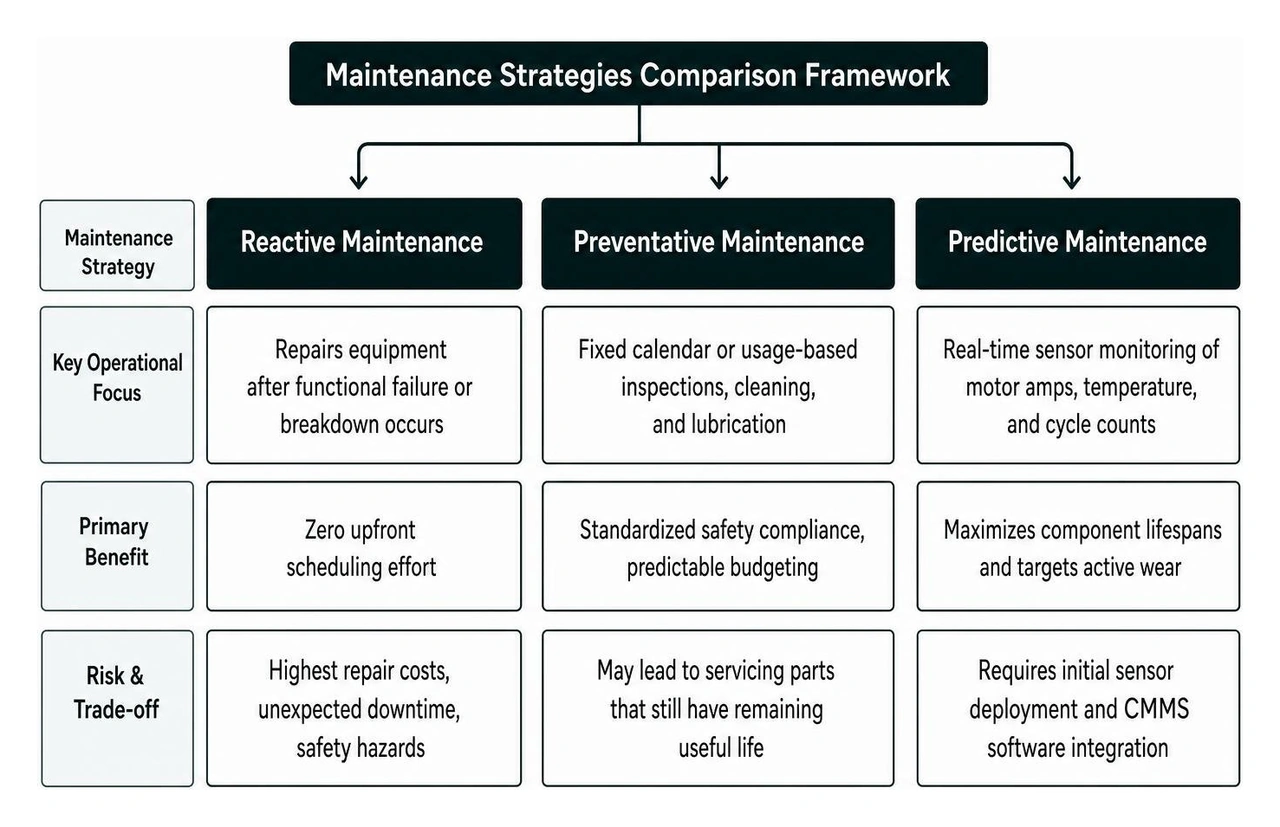
- Preventative Maintenance Schedules: Establish strict daily, weekly, and monthly maintenance protocols for all major systems. This includes checking compressor oil levels, draining moisture from air lines, and inspecting lift cables for wear.
- Regular Equipment Calibration: Precision equipment like alignment systems and fluid meters must be calibrated regularly to maintain accuracy and prevent service errors.
- Safety Compliance Inspections: Regular safety audits ensure your equipment complies with local and federal workplace safety regulations, protecting your staff and reducing liability.
- Rapid Emergency Repairs: When a critical system does fail, having a trusted local service provider who can respond immediately is vital.
For shops searching for reliable local support, sourcing high-quality parts from a trusted Auto Body Shop Supply Near Me can help keep your operations running smoothly. At AutoTech Solutions, our primary focus is minimizing shop downtime. With expert sales, professional installation, and fast repair response times across Michigan and the Carolinas, we ensure your facility's infrastructure remains safe, compliant, and highly productive.
Frequently Asked Questions about Industrial Commercial Supplies
What are the most critical shop-level systems for commercial garages?
The most critical systems are those that directly impact safety, power, and workflow. These include heavy-duty lifts (such as two-post and mobile column lifts), rotary screw air compressors to power pneumatic tools, centralized fluid delivery systems, and exhaust extraction systems to maintain healthy air quality for your technicians.
How does bulk procurement reduce overall operational costs?
Bulk procurement allows commercial shops to secure volume discounts, reducing individual unit costs by 15% to 30%. Additionally, consolidating your orders with a single distributor reduces administrative overhead, minimizes shipping and freight costs, and ensures you have essential consumables in stock when you need them.
Why is preventative maintenance essential for heavy-duty shop equipment?
Heavy-duty shop equipment operates under extreme stress and high loads daily. Routine preventative maintenance—such as lubricating moving parts, inspecting cables, checking fluid levels, and calibrating sensors—identifies minor wear before it turns into a catastrophic equipment failure. This extends the lifespan of your assets, ensures technician safety, and prevents costly unplanned shop downtime.
Conclusion
Navigating industrial commercial supplies doesn't have to be a logistical headache. By understanding your shop's infrastructure needs, focusing on high-quality heavy-duty equipment, and implementing a centralized B2B procurement strategy, you can drastically improve your facility's daily efficiency.
At AutoTech Solutions, we are dedicated to helping commercial, heavy-duty, and collision shops stay productive. As a true one-stop-shop, we provide top-tier equipment sales, professional installation, and rapid preventative maintenance services. Our expert team operates across Michigan to the Carolinas—including Charlotte, Raleigh, Wade, and Novi—with a single, clear mission: minimizing your downtime so you can focus on running a profitable business.
Ready to optimize your facility's infrastructure and secure reliable, long-term equipment support? Partner with AutoTech Solutions for Equipment Support today and let our specialists keep your service bays running at peak performance.