Hydraulic Cylinder Overhaul vs. Basic Resealing: Understanding the Scope
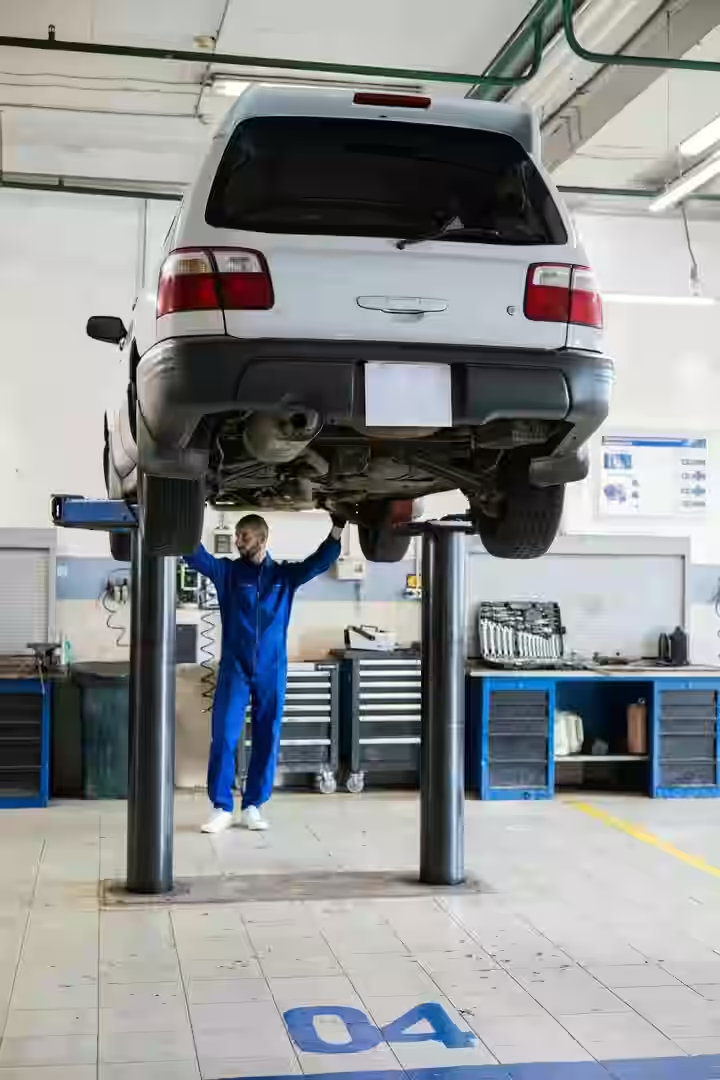
Deciding to overhaul hydraulic cylinder assemblies requires a total teardown, dimensional inspection, barrel honing, rod reconditioning, seal replacement, and hydrostatic proof testing. In a high-volume commercial automotive facility, hydraulic power serves as the backbone of everyday lifting operations. When an automotive lift struggles to hold pressure or begins weeping fluid around the gland, it is tempting to view the issue as a simple seal failure. However, treating a heavily cycled industrial actuator with a quick seal kit often overlooks deeper mechanical fatigue and component degradation.
A basic reseal addresses only the elastomeric wear parts—O-rings, U-cups, and rod wipers. While this might stop an external leak temporarily, it does nothing to correct the underlying mechanical issues that caused the seal to degrade in the first place. A complete overhaul restores the actuator to original engineering tolerances. During this process, technicians evaluate dimensional tolerances, inspect for barrel scoring, assess rod straightness, examine the chrome plating, and verify the structural integrity of the piston and gland.
Addressing complex fluid power problems through targeted hydraulic lift cylinder repair ensures that internal wear profiles are thoroughly corrected rather than temporarily masked. For additional technical context on industrial actuator service standards, the Fluid Power Journal provides ongoing coverage of hydraulic system maintenance practices.
| Service Parameter | Basic Cylinder Resealing | Complete Hydraulic Cylinder Overhaul |
|---|---|---|
| Primary Scope | Replacement of dynamic and static elastomeric seals | Total teardown, dimensional inspection, machining, component replacement, and resealing |
| Bore Assessment | Visual inspection only; no corrective honing | Precision micrometer measurement and cross-hatch honing to clear micro-grooves |
| Piston Rod Treatment | Cleaning and visual check | Runout measurement, micro-polishing, or re-chroming for surface pitting |
| Internal Wear Components | Often reuses existing wear rings and guide bushings | Replacement of guide bands, bushings, bearings, and critical retention hardware |
| Testing Verification | Basic function stroke test | Full hydrostatic pressure test, dynamic cycling, and internal bypass verification |
| Operational Lifespan | Short-term mitigation for low-stress environments | Long-term restoration delivering 30% to 50% extended service life |
When heavy-duty lifts operate through hundreds of cycles weekly, systemic mechanical fatigue alters the internal geometry of the tube. Without comprehensive refurbishment, fresh seals will rapidly extrude or tear against invisible burrs and out-of-round barrel walls.
Key Warning Signs That Demand an Immediate Cylinder Overhaul
Catching cylinder degradation early protects your shop floor from sudden operational bottlenecks and safety hazards. Fluid power systems rarely fail without warning; they display progressive symptoms as internal surfaces break down.
- Internal Pressure Loss and Load Drift: If a lift slowly drifts downward while locked under hydraulic holding pressure, fluid is bypassing the piston seals. This internal bypass allows high-pressure oil to slip into the low-pressure chamber without showing an external puddle.
- Jerky or Uneven Stroke Movement: Sticking, chattering, or jerky travel during ascent or descent indicates mechanical binding. This is often caused by a bent piston rod, galling between the piston and barrel, or aerated fluid resulting from worn rod wipers pulling ambient air into the system.
- Severe Rod Pitting and Discoloration: Exposure to abrasive shop dust, particulate matter, and moisture can compromise the hard chrome layer of the rod. Pitted or flaking chrome acts like a file against the gland packings, shredding fresh seals within hours of operation.
- Fluid Overheating and Particulate Contamination: If cylinder barrels feel excessively hot to the touch during normal duty cycles, fluid is likely shearing across damaged internal tolerances. Dark, burnt-smelling hydraulic fluid loaded with metallic micro-debris indicates active component erosion inside the assembly.
- Repeated Seal Extrusion: Finding distorted, nibbled, or extruded seal fragments in your hydraulic filtration system signals that internal clearances have expanded beyond allowable tolerances, requiring precision structural remediation.
Partnering with a dedicated preventative maintenance and repair provider allows commercial facilities to identify these fluid power red flags before they lead to emergency bay closures.
Step-by-Step Workflow to Overhaul Hydraulic Cylinder Assemblies
Executing an industrial-grade overhaul requires a disciplined, clean-room methodology combined with heavy-duty tooling. When commercial facilities choose to overhaul hydraulic cylinder equipment properly, following a standardized sequence prevents premature seal failure and guarantees reliable lifting power.

Pre-Service Inspection Before You Overhaul Hydraulic Cylinder Equipment
Before disassembly begins, the technician must isolate the lift electrically and mechanically. Adhering to strict lockout/tagout (LOTO) protocols prevents accidental power unit energization. Technicians relieve all stored hydraulic and mechanical energy, safely support any structural carriage components, and thoroughly clean the exterior of the cylinder to prevent external contamination from entering the fluid circuit during teardown.
Once mounted on a specialized teardown bench, fluid is drained into controlled containment. Technicians perform initial micrometer measurements across the extended rod to check for structural runout or bends. The cylinder head gland—whether retained via a threaded cap, internal wire ring, or bolted flange—is carefully extracted using non-marring tools.
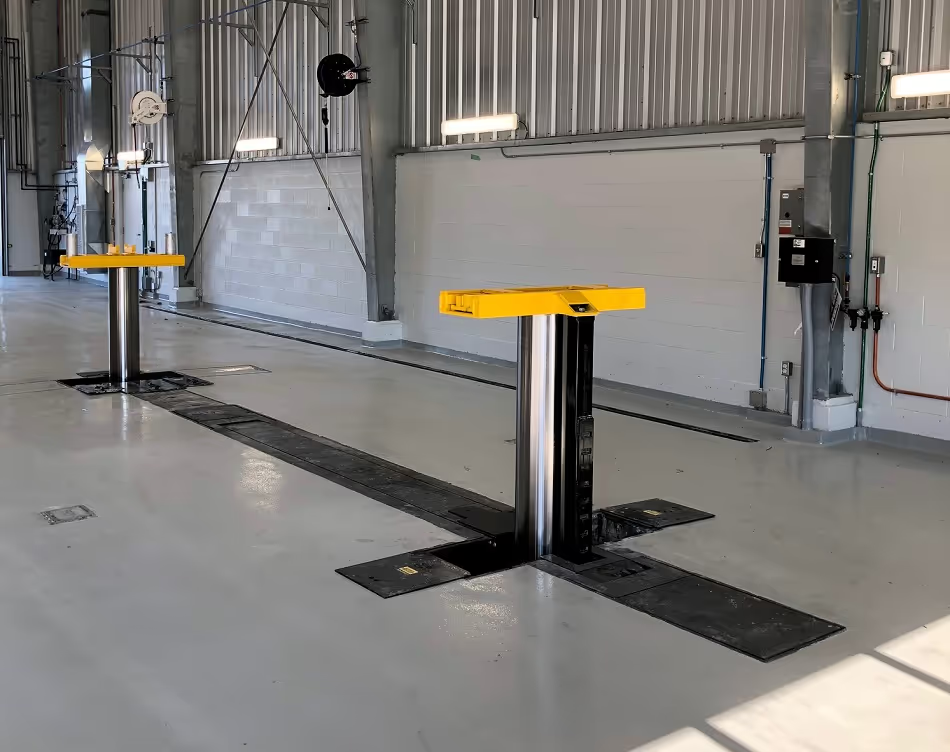
Technicians assess internal surfaces for particulate contamination and thermal varnish. Inspecting the auxiliary infrastructure of your heavy duty shop equipment alongside the cylinder helps ensure that structural crossbeams and mounting pins are not causing asymmetric side-loading on the rod.

Component Replacement, Resealing, and Precision Reassembly
Once dismantled, every individual component undergoes an industrial solvent bath to strip grease, sludge, and carbonized fluid residues. Technicians inspect the bare metal surfaces under high-intensity lighting:
- Piston Rod Reconditioning: Minor scratches are polished out with fine emery cloth, ensuring a mirror finish. If runout exceeds manufacturer specifications or deep gouges pierce the chrome layer, the rod must be turned on a precision CNC lathe, ground, and hard-chrome plated.
- Barrel Honing: Light surface scoring and glazing inside the barrel are cleared using an industrial hone. This restores the proper cross-hatch pattern required for oil retention and smooth seal glide.
- Precision Seal Installation: All dynamic piston seals, rod U-cups, buffer rings, guide bands, and heavy-duty wiper seals are replaced using specialized installation tools and picks. Technicians lubricate every seal with clean, system-compatible ISO VG 32 or 46 hydraulic oil before seating to avoid dry friction damage.
- Piston Retention and Torquing: The piston is remounted onto the rod using calibrated torque specifications. Locknut torque values vary significantly depending on diameter—ranging from modest ratings on compact cylinders up to 800–900 lb-ft on large, high-capacity industrial actuators. Anti-seize compound is applied to gland threads to prevent galling during future service intervals.
Mandatory Testing Protocols After You Overhaul Hydraulic Cylinder Components
Reassembly is not the final step. A refurbished cylinder must undergo rigorous quality assurance to verify operational safety under load before it is reinstalled on the shop floor.

- Dynamic Low-Pressure Cycling: The cylinder is connected to a dedicated test bench and cycled at low pressure (200–500 psi) to bleed trapped air from internal pockets and confirm smooth, unhindered mechanical travel.
- Hydrostatic Proof Testing: The cylinder is extended and pressurized to 1.25 to 1.5 times its rated operating capacity (often reaching 3,000 to 4,500 psi depending on system design). This pressure is held for a specified duration to verify zero external leakage across the gland and welded ports.
- Mid-Stroke Internal Bypass Verification: The cylinder is stalled mid-stroke against a mechanical stop or locked oil column, and the opposing port is monitored for fluid bypass. Any measurable leakage past the piston seal constitutes a test failure.
Conducting these rigorous verifications alongside scheduled industrial equipment service programs gives commercial fleet managers complete confidence in their lifting assets.
Recommended Overhaul Intervals and Shop Preventative Maintenance
How often should a commercial shop overhaul its hydraulic cylinders? While standard recommendations suggest comprehensive overhauls every 5 years, real-world operating environments heavily dictate the actual maintenance timeline.
To maximize the interval between overhauls and avoid unplanned downtime, shop managers should adopt several preventative maintenance best practices:
- Monitor Fluid Cleanliness: Particulate contamination accounts for the vast majority of hydraulic seal failures. Perform regular fluid sampling and replace return-line filtration elements according to duty cycle schedules.
- Maintain Rod Cleanliness: Inspect external rod wipers regularly. In high-particulate shop environments (such as collision and body bays), dust settling on the rod must be wiped clean to prevent it from bypassing the gland seals.
- Check Alignment Annually: Ensure that lift columns remain plumb, floor anchor bolts maintain required torque ratings (e.g., 110 ft-lbs for standard commercial concrete pads), and carriages track evenly. Side-loading is the leading cause of premature guide bushing wear and barrel scoring.
- Thermal Management: Keep power unit fluid reservoirs filled to correct operating levels. Low oil volume accelerates thermal breakdown, causing internal elastomeric seals to harden, shrink, and crack prematurely.
Frequently Asked Questions About Commercial Hydraulic Cylinder Overhauls
How long does a standard commercial hydraulic cylinder overhaul take?
Under standard workshop logistics, a comprehensive cylinder overhaul typically takes between 2 to 5 working days. This timeframe allows for complete teardown, chemical degreasing, barrel honing, rod micro-polishing, precision seal replacement, and multi-stage hydrostatic pressure testing. Expedited turnaround options are often available for commercial repair facilities experiencing critical bay downtime.
When is cylinder replacement more cost-effective than an overhaul?
Overhauling is generally the most economical choice, delivering like-new performance at a fraction of the cost of new equipment. However, full replacement becomes necessary if the cylinder barrel exhibits severe out-of-round structural deformation, deep bore gouges that exceed safe honing limits, severe thread stripping on non-serviceable welded bodies, or structural cracking in the base forging.
What causes hydraulic cylinder seals to fail prematurely after service?
The leading causes of premature seal failure following service are fluid contamination, improper installation techniques, and structural side-loading. Installing dynamic seals with sharp tools can leave micro-tears that expand under pressure. Additionally, using incorrect torque on piston retaining nuts, failing to flush contaminated hydraulic fluid from lines and reservoirs, or operating with an uncorrected bent rod will rapidly destroy fresh packing sets.
Conclusion
A well-executed hydraulic cylinder overhaul restores lifting performance, protects your technicians, and prevents sudden bay shutdowns. By addressing barrel geometry, rod surface conditions, and dynamic sealing systems holistically, commercial shops can avoid recurring breakdowns and maintain continuous operational throughput.
At AutoTech Solutions, we specialize in maximizing equipment reliability and minimizing shop downtime for commercial, heavy-duty, and collision facilities across Michigan and the Carolinas. Whether your facility operates out of Charlotte, NC, Raleigh, NC, Wade, NC, or Novi, MI, our experienced technicians deliver fast repair response and comprehensive system maintenance. Explore our full suite of professional automotive shop maintenance and services to keep your shop infrastructure operating at peak performance.