Why Brake Lathe Repair Directly Impacts Your Shop's Bottom Line
Brake lathe repair is one of the most overlooked maintenance priorities in commercial automotive shops — until the machine starts producing bad cuts and comebacks pile up.
Here's a quick summary of what shop managers need to know:
- Common signs your brake lathe needs repair: uneven rotor cuts, chatter marks, excessive vibration, inconsistent feed rates, or electrical faults
- Most common causes: worn spindle bearings, dull cutting bits, misaligned adapters, loose fixtures, or a damaged feed assembly
- Repair options: on-site professional service (fastest, least disruptive) or sending the unit out for remanufacturing
- Key brands serviced: Ammco, Accuturn, Ranger, Hunter, FMC/JBC, Kwik-Way, Van Norman, Snap-on, and others
- Repair vs. replace: if the frame and core components are sound, repair is almost always the more cost-effective choice
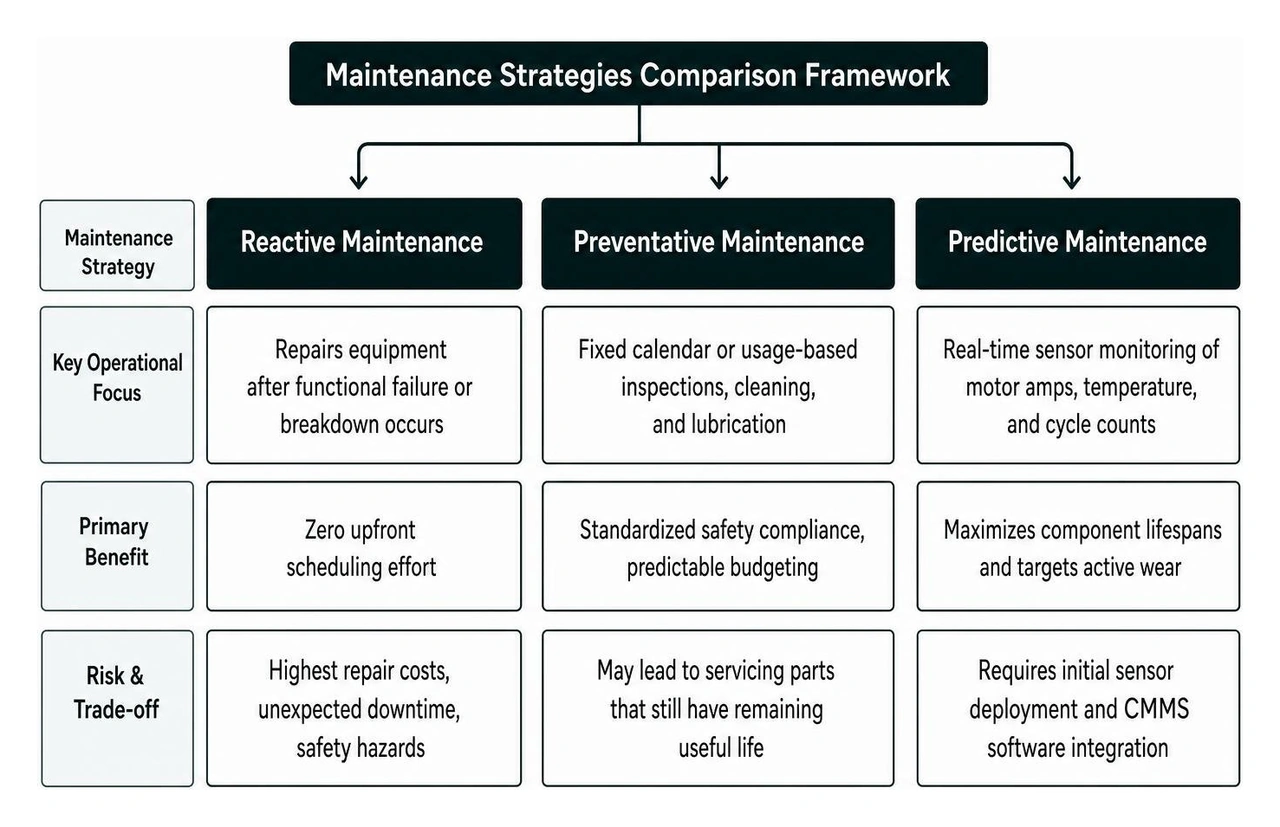
- Preventive maintenance basics: clean debris after every use, lubricate moving parts regularly, check alignment weekly, schedule professional calibration annually
A brake lathe is a precision machine. When it's dialed in, it removes a thin, controlled layer of metal from a rotor or drum to eliminate runout, thickness variation, and surface irregularities. When it's not dialed in, every rotor it touches is a potential comeback.
For a busy shop, that's not just a quality problem — it's a productivity and profitability problem.
The good news: most brake lathe issues are fixable. And catching them early, before they compound, is far cheaper than dealing with the fallout of a machine that's been cutting bad parts for weeks.
This guide walks through everything commercial shop operators need to know — from recognizing the early warning signs to understanding when to call in a professional technician.

Brake lathe repair basics:
Understanding the Role of Brake Lathes in Commercial Shops
In a high-volume commercial service bay, the brake lathe is the unsung hero of the wheel service department. Whether you are running a fleet service center in Novi, MI, or a busy multi-bay collision shop in Charlotte, NC, your brake lathe is directly responsible for the safety and comfort of your customers' vehicles.
When a vehicle experiences brake pedal pulsation, mysterious vibrations, or high-pitched squealing under braking, the root cause is almost always lateral runout or rotor thickness variation (RTV). Over time, heat cycles and mechanical stress warp brake rotors. A professional brake lathe corrects these imperfections by shaving off microscopic layers of cast iron to restore a perfectly flat, true surface.
However, simply cutting the rotor is only half the battle. The quality of the brake job depends heavily on the microscopic surface finish, measured as "Ra" (Roughness Average). To ensure proper pad bed-in and completely eliminate noise comebacks, cast iron rotors require a target surface roughness of 40 to 42 Ra. If your lathe is out of calibration or suffering from internal wear, it cannot hit these precise specifications. Instead, it will leave microscopic grooves and ridges that shred new brake pads and cause immediate pedal vibration.
According to strict OEM guidelines, such as the On-Car Brake Disc Refinishing Equipment and Guidelines , manufacturers do not allow the replacement of brake discs under warranty unless the disc is worn beyond the minimum service limit for refinishing. This makes a highly accurate, fully functional brake lathe an absolute necessity for commercial shops handling warranty repairs.
Furthermore, minor runout issues that are barely noticeable at first will compound over time due to uneven heat distribution and wear. This is why precision machining is critical, and why keeping your lathe in peak operating condition is a direct driver of shop profitability.
Bench Lathes vs. On-Car Lathes
Commercial shops generally utilize two types of brake lathes: traditional bench lathes and modern on-car lathes. Each has its own mechanical advantages, maintenance requirements, and ideal use cases.
A bench lathe, such as the classic Ammco 4000 or the heavy-duty Hunter BL505, requires the technician to completely remove the rotor or drum from the vehicle and mount it onto the lathe's spindle arbor. This style is highly versatile, allowing shops to handle massive drums and heavy-duty truck rotors. For instance, the Hunter BL505 combination brake lathe can handle rotors up to 23 inches and drums up to 28 inches in diameter. Similarly, the Pro-Cut B17 Super Bench lathe can accommodate rotors up to 19.50 inches and drums up to 26.40 inches.
On-car brake lathes, like the Hunter AutoComp Elite® or the QuickComp system, take a completely different approach. Instead of removing the rotor, the lathe mounts directly to the vehicle's steering knuckle or wheel hub. By spinning the rotor on its own hub, the on-car lathe corrects both hub runout and disc runout simultaneously as an integrated assembly.
This is a critical distinction: even a brand-new or perfectly bench-cut rotor can exhibit lateral runout if the vehicle's wheel hub itself is slightly misaligned. On-car machining eliminates this variable entirely, which is why brands like Honda and Acura mandate the use of approved on-car lathes for warranty service.
| Feature | Bench Brake Lathes | On-Car Brake Lathes |
|---|---|---|
| Setup Time | Moderate (requires rotor removal and arbor mounting) | Fast (mounts directly to the hub assembly) |
| Runout Compensation | Corrects rotor imperfections only | Corrects combined rotor and hub runout |
| Space Requirements | Large (requires a dedicated, permanent workbench) | Small (mobile unit stored on a compact rolling cart) |
| Portability | Fixed stationary machine | Highly portable, mobile cart design |
| Best Suited For | Heavy-duty trucks, drums, and off-car resurfacing | High-volume passenger cars, AWD, and warranty work |
Common Mechanical Issues and Troubleshooting
Like any precision machining tool, a brake lathe is subjected to harsh operating conditions. It constantly battles cast iron dust, high-speed friction, and intense mechanical forces. Over time, these variables lead to wear and tear that can severely compromise cutting accuracy.

When a lathe begins to fail, it rarely stops running entirely. Instead, it drops subtle clues in the metal. The most common symptoms of a lathe in desperate need of brake lathe repair include:
- Excessive Vibration and Chatter: This is the absolute enemy of a smooth cut. If you hear a high-pitched squeal or notice the cutter head vibrating during a pass, the machine is experiencing harmonic buildup. This is often caused by worn spindle bearings, a bent arbor, or loose tool holder fixtures.
- Wavy or "Record-Groove" Patterns: If the finished rotor looks like a vinyl record with visible spiral grooves, your feed rate is inconsistent. This is typically caused by a worn lead screw, damaged feed gears, or a failing feed motor.
- Inconsistent Cutting Depth: If the lathe cuts deeper on one side of the rotor than the other, or fails to maintain a flat plane, you are likely dealing with spindle runout or a misaligned crossfeed assembly.
- Loss of Motor Torque: If the lathe stalls or slows down significantly when the cutting bits contact the metal, the drive belt is likely slipping, or the motor capacitor is failing.
One of the most common mechanical failures on bench lathes involves the feed mechanism. Many legacy lathes, such as Ammco models, utilize a sacrificial brass shear gear in the drive system. This shear gear is designed as an intentional mechanical fuse. If the cutting head jams or encounters extreme resistance, the shear gear breaks to protect the incredibly expensive drive motor and main gearbox from destroying themselves. If your lathe spindle spins but the cutting head refuses to move across the rotor face, a broken shear gear is almost always the culprit.
For detailed guidelines on diagnosing these cutting errors on specialized on-car equipment, technicians should refer to the manufacturer's Service Bulletin to ensure they are following the correct mechanical troubleshooting sequences.
Eliminating Chatter and Vibration
Vibration and chatter marks are the primary causes of poor surface finishes. When a lathe cuts at a fixed speed, harmonic frequencies can build up in the rotor, causing the cutting tip to bounce microscopically. This bounce creates tiny ridges on the rotor face, completely ruining the target Ra finish.
To stop chatter before it starts, shops must focus on dampening these harmonics. The most basic line of defense is the rotor silencer band. Standard rubber bands with lead weights are commonly used, but they can actually create an asymmetrical, out-of-balance condition that worsens the finish. Upgrading to symmetrically balanced, multi-spring silencers is a much more effective way to absorb high-frequency vibrations.
Additionally, adding physical mass to the setup is a proven scientific method to eliminate harmonics. For instance, GWR Products offers specialized adapter sets that add 20 to 30 pounds of physical mass directly to the rotor assembly during machining. This extra weight dampens vibrations and is guaranteed to deliver a 10% smoother cut.
On-car lathes solve this issue electronically. The Hunter AutoComp Elite®, for example, features patented Anti-Chatter Technology (ACT) that constantly oscillates the spindle speed during the cut. By varying the RPM, the lathe prevents harmonic frequencies from establishing a foothold, ensuring a flawless finish without the need for heavy external dampening weights.
Sourcing High-Quality Brake Lathe Repair Parts
When parts wear out, sourcing the right replacements is critical to restoring factory-level tolerances. Using cheap, low-grade aftermarket parts can introduce runout back into the machine, defeating the entire purpose of the repair.
For critical mechanical components, such as arbors, adapters, and tool holders, high-quality CNC machined parts are highly recommended. Because CNC parts are machined to incredibly tight tolerances, they eliminate the microscopic play that leads to spindle runout.
Shops must also stay on top of consumable parts. Spindle boots must be replaced regularly; if a rubber boot tears, highly abrasive cast iron dust will migrate directly into the precision spindle bearings, leading to rapid wear and a very expensive rebuild. Brass lead-screw plugs, feed nut springs, and cutter tool holders should also be inspected weekly.
When replacing cutting bits, ensure you are using high-grade carbide bits (such as negative rake bits) that match your specific lathe model and the rotor material you are cutting.
To keep your equipment running smoothly with the right components, you can explore our complete inventory of Brake Lathe Repair Parts.
When to Call the Professionals for Brake Lathe Repair
While basic maintenance like cleaning and lubricating can be handled in-house, complex mechanical and electrical failures require the hand of an expert. A brake lathe is a highly specialized piece of industrial machinery; attempting an in-house rebuild on a main spindle or calibrating a complex digital compensation system without the proper diagnostic tools can easily render the machine completely useless.

You should immediately contact a certified technician for professional brake lathe repair if you experience any of the following:
- Persistent Spindle Runout: If you have replaced your cutting bits and adapters but are still getting uneven cuts, the main spindle bearings are likely worn or the spindle shaft itself is bent.
- Electrical Control Board Failures: Modern lathes rely on sophisticated control boards, touchscreens, and electronic sensors. If your digital display is throwing error codes, or if the automatic compensation system fails to calibrate, an experienced technician must perform diagnostic testing.
- Inconsistent Crossfeed Travel: If the cutter head binds, slips, or moves unevenly across its guide rails despite proper lubrication, the internal lead screw or feed gears require professional alignment and adjustment.
- Motor Overheating or Failure: Replacing a main drive motor or rebuilding a heavy-duty gearbox requires specialized pullers, presses, and electrical safety verification tools.
A professional service technician doesn't just swap parts; they perform a comprehensive multi-point diagnostic inspection. They will measure spindle runout using high-precision magnetic dial indicators, check gear backlash, inspect the electrical system for proper voltage and grounding, and perform precise mechanical calibrations to return the machine to original factory specifications.
If you are searching for reliable Brake Lathe Service and Repair Near Me , partnering with a certified service provider ensures your equipment is repaired safely and correctly.
The Benefits of On-Site Brake Lathe Repair
When a critical piece of shop equipment goes down, shipping it out to a repair facility can shut down your brake service bay for weeks. For a commercial shop, that level of downtime is incredibly costly.
This is why on-site, mobile brake lathe repair is the preferred choice for modern shop managers. Professional on-site service offers several distinct advantages:
- Minimizing Downtime: Mobile technicians carry a deep inventory of common replacement parts directly in their service vehicles, allowing them to complete most repairs, gear adjustments, and calibrations in a single visit.
- Real-World Calibration: A lathe calibrated in the exact environment where it operates will always perform better. Technicians can perform test cuts on your actual shop floor, ensuring the machine is perfectly leveled and stabilized.
- No Heavy Rigging or Shipping: Bench lathes are incredibly heavy, cast iron machines. Shipping them out requires expensive freight, heavy lifting, and the risk of shipping damage. On-site repair eliminates these logistical headaches entirely.
- Safety and Compliance Verification: A certified technician will verify all mechanical guards, electrical grounds, and emergency stop switches are functioning perfectly, protecting your technicians from workplace injuries.
At AutoTech Solutions, we understand that time is money. Our mobile service technicians specialize in rapid-response, on-site diagnostics and repairs across our service regions in Michigan and the Carolinas, ensuring your shop's downtime is kept to an absolute minimum.
Repair vs. Replacement: Making the Economic Choice
When a brake lathe begins to show its age, shop owners face a tough financial decision: is it wiser to invest in repairing the existing machine, or is it time to purchase a brand-new unit?
To make the right economic choice, you must evaluate the health of the machine's core components. The cast iron frame of a high-quality bench lathe is virtually indestructible. If the main frame, slide ways, and heavy structural castings are in good condition, almost any mechanical or electrical failure can be cost-effectively repaired.
By utilizing comprehensive master rebuild kits, an experienced technician can replace the spindle bearings, lead screws, feed gears, belts, and motors, essentially "bringing the lathe back from the grave" for a fraction of the cost of a new machine.
However, if the main cast iron slide ways are severely gouged, worn out of square, or if the main casting is cracked, the structural integrity of the machine is compromised. In these rare cases, the machine can no longer hold the tight tolerances required for precision cutting, and replacement is the only viable option.
Additionally, if your shop is looking to upgrade from an older bench lathe to a high-speed, modern on-car lathe to increase throughput, the return on investment (ROI) of a new machine—such as the QuickComp, which can service a rotor in under nine minutes—may easily justify the capital expense.
Frequently Asked Questions About Brake Lathe Maintenance
To keep your shop running at peak efficiency, we have compiled the most common questions our service technicians receive regarding commercial brake lathe care.
What causes poor cut quality and chatter on a brake lathe?
Poor cut quality, chatter marks, and wavy patterns on a machined rotor are almost always caused by mechanical vibration. The most common culprits include:
- Worn Spindle Bearings: If the main spindle bearings have excessive play, the arbor will wobble microscopically during the cut.
- Dull or Chipped Cutting Bits: A worn cutting tip pushes the metal rather than slicing it cleanly, inducing massive vibration.
- Improper Mounting or Dirty Adapters: If there is rust, dirt, or metal shavings trapped between the lathe adapters and the rotor hub, the rotor will mount out-of-round, causing severe runout.
- Lack of Dampening: Failing to use a high-quality, balanced silencer band allows natural harmonic frequencies to build up in the rotor during machining.
How often should a commercial brake lathe be calibrated?
For a busy commercial shop, we recommend the following calibration and maintenance schedule:
- Daily: Clean all metal shavings and cast iron dust from the slide ways, lead screw, and spindle. Wipe down machined surfaces and apply a light coat of high-quality lubricant to prevent rust.
- Weekly: Inspect cutting bits for wear and rotate them to a fresh edge if necessary. Check the alignment of the twin cutter heads and verify that all knobs and clamps tighten securely.
- Monthly: Disassemble, clean, and lubricate quick-change adapters and chucks to prevent trapped metal chips from destroying internal gear teeth.
- Annually: Schedule a professional, certified calibration and multi-point inspection. A technician will verify spindle runout, adjust gear backlash, inspect electrical systems, and perform precision test cuts to ensure the machine meets original factory specifications.
Why is a cross-hatched finish preferred over a non-directional finish?
There is a common misconception in the automotive industry that a "non-directional" swirl finish, often applied by hand with a sanding block or abrasive pad, is the ideal finish for a brake rotor. In reality, hand-sanding a flat rotor introduces human error, creating microscopic dips and grooves that ruin the precision cut.
Instead, professional brake service requires a precise, cross-hatched finish (approaching 40 to 42 Ra), which closely mimics the cylinder-wall finish of a freshly honed engine block. This cross-hatched pattern is best achieved using a specialized flexible surface hone.
The microscopic grooves of a cross-hatched finish hold the brake pad material evenly during the initial bed-in process, allowing for a rapid, quiet transfer of friction material and completely eliminating squealing and customer noise comebacks. Furthermore, high-quality flexible hones are incredibly cost-effective, with a single hone lasting for over 200 sets of rotors.
Conclusion
A precision-calibrated brake lathe is a vital cornerstone of any profitable commercial wheel service department. When your lathe is running perfectly, it eliminates pedal pulsation, prevents noise comebacks, and keeps your service bays turning a steady profit. When maintenance is neglected, however, a worn lathe can quickly lead to expensive comebacks, wasted technician labor, and frustrated commercial clients.
At AutoTech Solutions, our mission is to keep your shop running at full speed. We are a true one-stop-shop for B2B automotive equipment sales, professional car lift installation, certified service, and preventative maintenance. Serving light-duty, heavy-duty, and collision shops across Novi, MI, and throughout North Carolina (including Charlotte, Raleigh, and Wade), our expert support teams are dedicated to minimizing your equipment downtime with ultra-fast, professional repair response times.
Don't wait for a broken lathe to halt your service bays and hurt your bottom line. Keep your precision equipment running at peak factory performance by scheduling your professional maintenance today.