
Why Every Collision Repair Facility Needs an Auto Body Shop Frame Machine
An auto body shop frame machine is one of the most critical pieces of equipment a collision repair facility can own. Without it, restoring a structurally damaged vehicle to factory specifications is nearly impossible.
Quick answer — what does a frame machine do?
- Secures the vehicle to a stable platform during collision repair
- Applies controlled hydraulic force to pull bent or twisted frames back into alignment
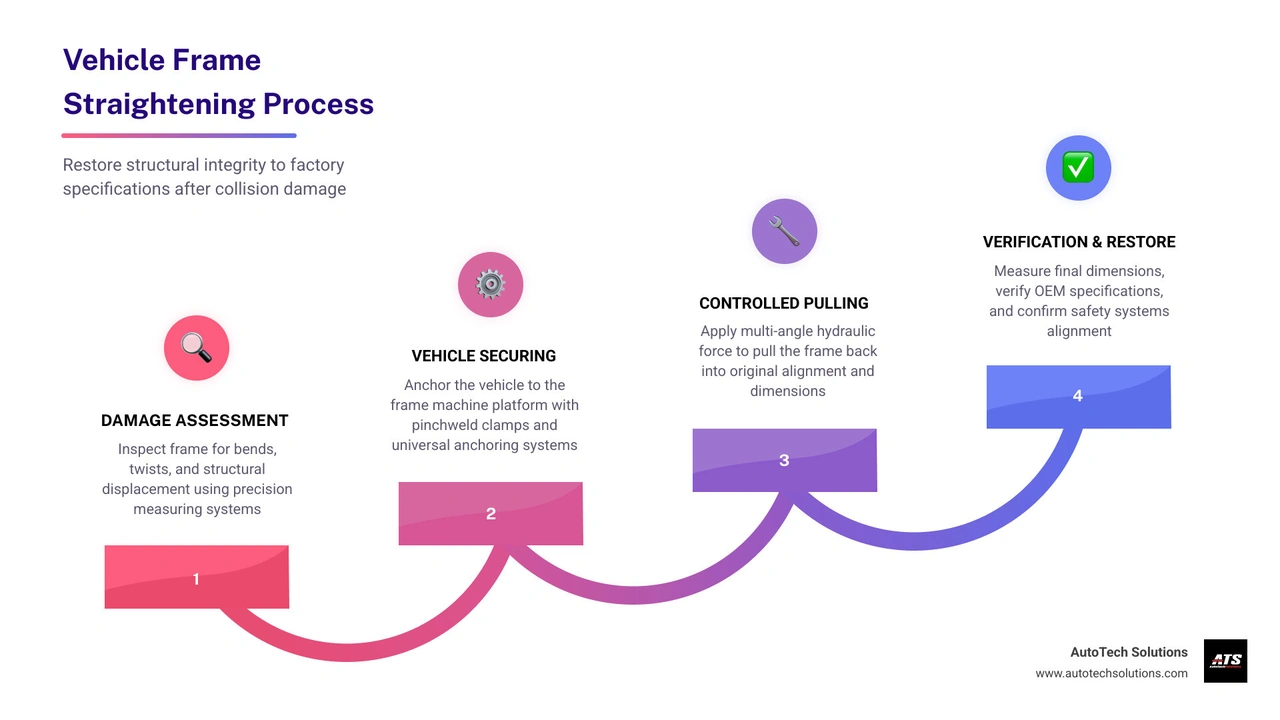
- Measures structural displacement to verify repairs meet original factory dimensions
- Works on both unibody and full-frame vehicles, including passenger cars and heavy trucks
- Reduces repair time by allowing a single technician to manage complex structural pulls
For collision repair shops, frame damage is one of the toughest jobs on the floor. A vehicle's frame is its structural backbone — when it's bent, every downstream repair depends on getting it right first. Alignment, panels, suspension, even safety systems like crumple zones all rely on that foundational structure being restored accurately.
The problem? Frame straightening without proper equipment is slow, inconsistent, and risky. It can expose shops to liability and comebacks that eat into margins fast.
That's where a professional frame machine changes the equation entirely.
Auto body shop frame machine terms to know:
What is an Auto Body Shop Frame Machine?
At its core, an auto body shop frame machine is a heavy-duty structural alignment system designed to return a vehicle's chassis to its original factory dimensions. When a vehicle undergoes a significant impact, the energy often bypasses the exterior panels and hits the structural "skeleton." This results in bends, twists, or "diamond" damage that can’t be fixed with a hammer and dolly.
Whether you are dealing with a modern unibody vehicle—where the frame and body are one integrated unit—or a traditional full-frame truck, the frame machine provides the massive hydraulic force needed to reverse collision damage. By anchoring the vehicle firmly to a steel rack or bench, technicians can apply thousands of pounds of pressure in precise directions to "pull" the metal back to where it belongs.
Ensuring structural integrity isn't just about making the car look straight; it's about safety. If the frame isn't aligned to within millimeters of OEM (Original Equipment Manufacturer) specs, the vehicle's crumple zones won't work correctly in a future accident. For a deeper dive into the technical side of these repairs, check out our Automotive Frame Repair Complete Guide.
The Science of Frame Straightening
Frame straightening is a delicate balance of raw power and extreme precision. It relies on the concept of "metal memory"—the tendency of steel to want to return to its original shape if the right amount of force is applied correctly.
However, modern vehicles use high-strength steels that require sophisticated torque application. Technicians must identify the structural displacement and apply multi-angle pulling. This means pulling from the front, side, or rear simultaneously to "un-crunch" the damage. Without the multi-point pulling capabilities of a high-quality auto body shop frame machine, you risk over-stressing the metal or creating new kinks in the structure.
Core Components and System Types
To the uninitiated, a frame rack looks like a giant steel bed with towers around it. But each part of that system serves a vital purpose in the repair workflow.

The primary components include:
- The Deck or Platform: A massive steel base where the vehicle sits.
- Pulling Towers: Vertical posts that move around the platform, providing 360-degree radius access for pulls.
- Hydraulic Rams: The "muscles" of the machine, often providing a 10-ton capacity for heavy-duty straightening.
- Pinchweld Clamps: Specialized grips that anchor the vehicle to the machine so it doesn't move while being pulled.
For shops in our service areas like Charlotte or Raleigh, having the right setup is the difference between a 4-hour job and a 2-day headache. You can see these systems in action at professional facilities like Deluxe Paint & Body Works NC.
Hydraulic and Pneumatic Auto Body Shop Frame Machine Benches
In structural repair, there are two main "philosophies": racks and benches.
Hydraulic repair benches are often the choice for shops focusing on precision and European-style repair standards. These systems typically offer a lifting capacity of up to 4,500kg (approx. 10,000 lbs), allowing the machine to act as both a lift and a repair platform. The fluid power of hydraulics allows for incredibly smooth, incremental movements, which is essential for precision positioning.
| Feature | Frame Rack | Repair Bench |
|---|---|---|
| Primary Use | High-volume, heavy pulls | Precision unibody, structural |
| Lifting Capacity | Up to 15,000+ lbs | Approx. 6,600 - 10,000 lbs |
| Access | Drive-on or Winch-on | Often uses integral lift |
| Pulling | External towers | Integral or removable towers |
Electric and Multi-Point Auto Body Shop Frame Machine Racks
As we move through 2026, we are seeing more shops adopt electric-over-hydraulic systems. These modern racks feature push-button controls that allow a technician to position towers and initiate pulls with the touch of a finger.
Multi-point pulling is another game-changer. Instead of one tower pulling in one direction, these systems can anchor and pull from multiple spots at once. This mirrors the way collision energy enters a vehicle, allowing for a more natural "reversal" of the damage. When paired with electronic measuring systems, these machines allow for high-volume production without sacrificing the microscopic accuracy required by modern safety standards.
Strategic Benefits for Collision Repair Facilities
Investing in a high-quality auto body shop frame machine isn't just a technical requirement—it's a strategic business move. The ROI (Return on Investment) comes from several key areas:
- Repair Accuracy: No more "eyeballing" it. Modern machines ensure the vehicle leaves the shop exactly as it was built.
- Technician Safety: Working with 10 tons of force is dangerous. Professional machines are engineered to contain that energy safely.
- OEM Standards: Many manufacturers now require specific types of frame equipment to maintain certified repair status.
- Shop Throughput: Faster setup and more accurate pulls mean cars move through the "metal" department and into the paint booth quicker.
For a broader look at how this fits into your overall shop strategy, see our Automotive Shop Equipment Complete Guide.
Improving Efficiency and Safety
One of the biggest drains on a shop's clock is the need for "all hands on deck" for a single repair. Modern frame machines are designed for single-technician operation. With remote controls and easy-to-move towers (some even featuring wheels for effortless repositioning), one person can set up a complex pull that used to take three people.
Ergonomics also play a huge role. Systems with built-in lifts allow the technician to work at a comfortable height, whether they are clamping a rocker panel or measuring the underbody. This reduces fatigue and the risk of injury, which is vital for long-term technician retention. For more on the specific tools used in this process, visit our page on auto collision repair tools.
Selection Criteria for Shop Infrastructure
Choosing the right auto body shop frame machine for your facility in Novi, MI, or Charlotte, NC, requires looking at your current and future "car mix."

Consider these factors:
- Floor Space: Do you have room for a 22-foot "Truck 'N Revolution" rack, or do you need a compact "Versa-Puller" for quick repairs?
- Vehicle Weight: If you service heavy-duty work trucks, you need a machine with a 15,000lb lifting capacity and a longer deck.
- Financing Options: High-end equipment is an investment. Many shops look for 1–5 year financing plans to manage cash flow.
- Installation Requirements: Some machines require permanent floor anchors (anchor pots), while others are "tilt-deck" or mobile systems that don't need bolts.
Brands like Car-O-Liner offer various configurations, from the BenchRack for versatile repairs to the Quick42 for rapid alignment and diagnosis.
Maintenance and Calibration in 2026
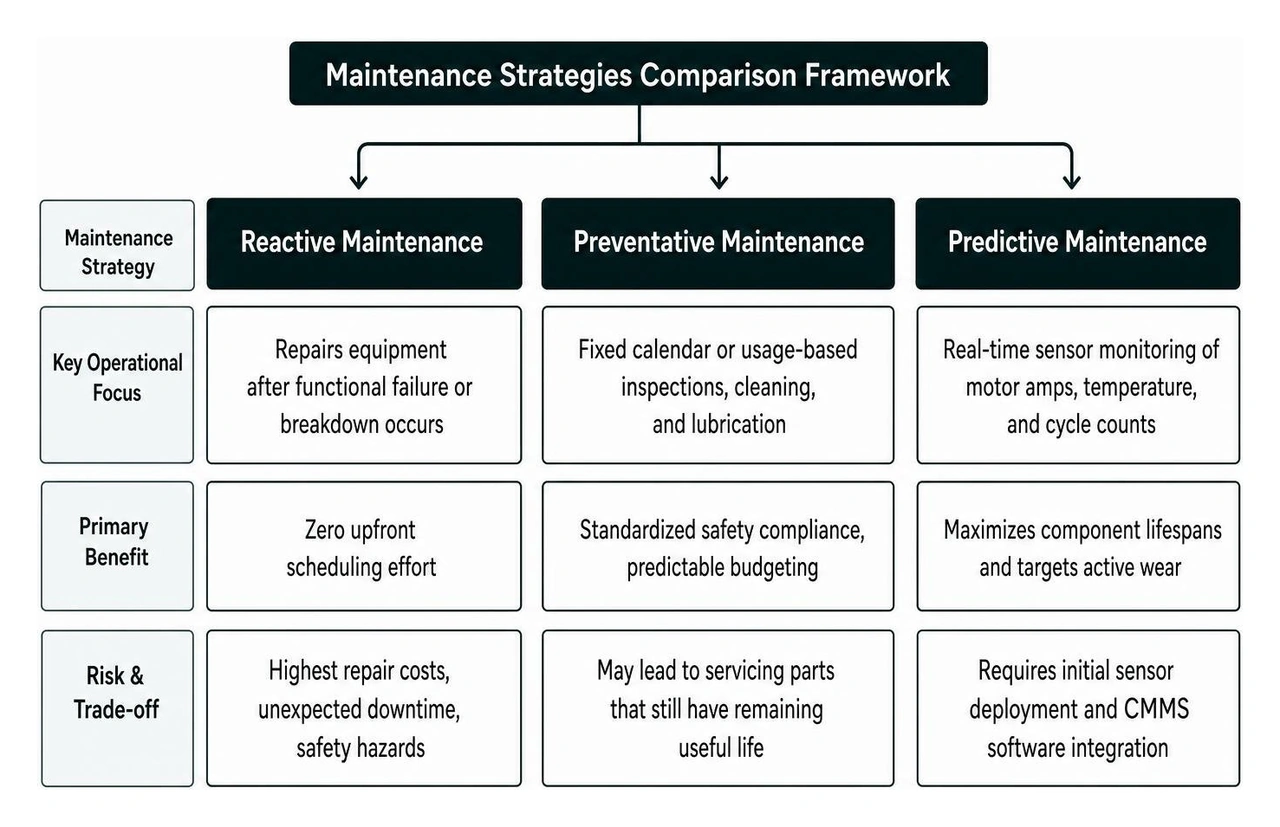
You wouldn't drive a tow truck for 100,000 miles without an oil change, and you shouldn't run a frame machine without preventative care. In 2026, the complexity of these machines means maintenance is more important than ever.
- Hydraulic Seals: Check for leaks regularly. A loss of pressure during a 10-ton pull can be catastrophic.
- Chain Inspection: Frame chains are under immense tension. Inspect links for stretching or "necking" and replace them immediately if damaged.
- Measuring System Updates: If you use electronic measuring, ensure your vehicle database is updated to include the latest 2026 and 2027 models.
- Pivot Points: Keep the swivel mechanisms on your towers greased to ensure 360-degree movement remains smooth.
Frequently Asked Questions about Frame Straightening
How much does a professional frame machine cost in 2026?
Pricing varies wildly based on capacity and features. Entry-level, made-in-USA mobile frame straighteners or floor-pot systems can start around $9,995. However, for a full-size, 20-to-22-foot frame rack with multiple towers and a hydraulic lift, you should expect to invest between $25,000 and $35,000+. Advanced systems with computerized measuring and 360-degree pulling capabilities can go even higher. Most shops utilize financing plans to spread this cost over several years, often with options for no money down.
Can one machine handle both unibody and full-frame vehicles?
Yes, provided you have the right accessories. Most modern auto body shop frame machine platforms are "universal." To switch from a unibody car (anchored by the pinchwelds) to a full-frame truck, you’ll need a truck adapter kit. These specialized clamps and stands allow you to securely anchor the heavy steel rails of a pickup or SUV to the machine's deck.
How do frame machines ensure vehicle safety?
Safety is the primary goal of any structural repair. A frame machine allows a technician to restore the vehicle to its original "crumple zone" configuration. If a frame is left bent, the energy of a second impact won't be absorbed as designed, potentially leading to passenger injury. By using a frame machine to meet OEM specifications, shops can certify that the structural integrity of the vehicle has been fully restored.
Conclusion
The auto body shop frame machine is truly the backbone of any successful collision center. From the initial damage assessment to the final millimeter of the pull, this equipment ensures that every vehicle returning to the road is as safe and structurally sound as the day it left the factory.
At AutoTech Solutions, we understand that your shop’s success depends on equipment that works as hard as you do. We are a one-stop-shop for automotive equipment sales, installation, and service. Whether you are in Charlotte, Raleigh, or Novi, our mission is to minimize your downtime with expert support and fast repair response.
From choosing the right 10-ton rack to setting up a preventative maintenance schedule for your hydraulic systems, we’ve got your back across Michigan and the Carolinas. Ready to upgrade your structural repair capabilities? Explore our AutoTech Solutions Equipment Support today and let us help you keep your shop running at peak performance.