Why Automotive Frame Repair Equipment Is Critical for Every Collision Shop
Automotive frame repair is one of the most technically demanding services a collision shop can offer — and one of the most important for keeping vehicles structurally safe after a collision.
Quick answer: What does automotive frame repair involve?
- Damage assessment — Using 3D measuring systems to map frame deformation against factory specs
- Vehicle securing — Clamping the vehicle to a frame machine or bench rack
- Straightening — Applying controlled hydraulic force to restore original geometry
- Welding and reinforcement — Repairing cracks or replacing damaged sections with material-matched techniques
- Quality verification — Confirming alignment is within OEM tolerances before reassembly
- Post-repair scanning — Checking safety systems like ADAS and SRS for recalibration needs
Frame damage occurs in nearly half of all vehicle accidents. Yet the damage is often invisible to the naked eye — hidden stress, misaligned rails, and compromised crumple zones that only precision equipment can detect.
For shop owners and collision center managers, the stakes are high. A missed frame issue means liability risk, comeback repairs, and unhappy customers. The right equipment — and the right workflow — makes the difference between a repair done right and one that fails under stress.
This guide covers everything your shop needs to know: frame types, equipment requirements, step-by-step processes, material compatibility, and the business case for investing in proper frame repair capability.
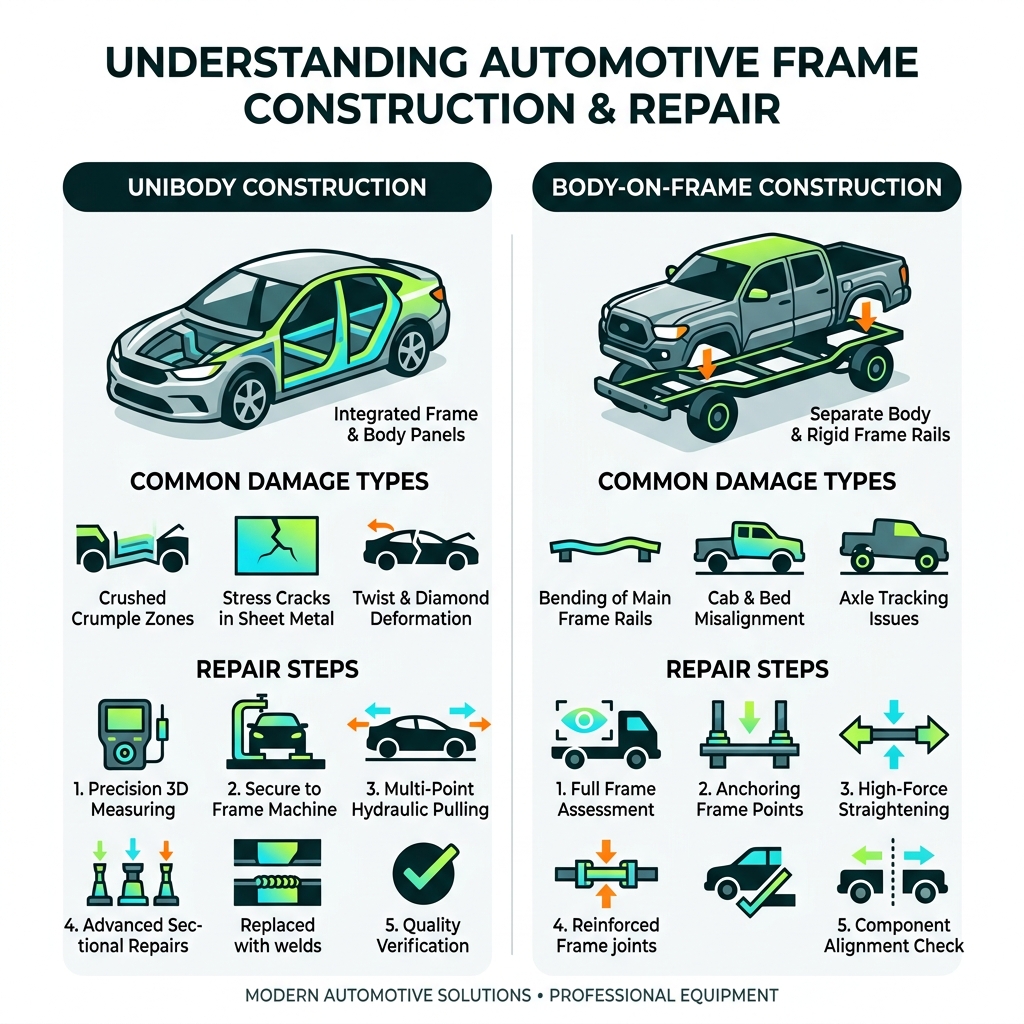
Automotive frame repair vocab to learn:
Understanding Vehicle Architecture and Damage Types
To master automotive frame repair, we first have to look at what lies beneath the paint and body panels. Modern vehicle architecture generally falls into two categories: unibody and body-on-frame. Each requires a distinct approach when it comes to straightening and structural restoration.
Unibody construction is the standard for most modern passenger cars and SUVs. In this design, the frame and the body are integrated into a single, cohesive unit. It’s lightweight and incredibly efficient at absorbing energy during a crash. However, because the entire shell is structural, a hit to the front bumper can send ripples of stress all the way to the rear quarter panels.
Body-on-frame is the "old school" (but still very relevant) method used for heavy-duty pickups and large SUVs. Here, a rigid steel chassis supports the drivetrain, and the body is bolted on top. These are often easier to repair through sectioning or full frame replacement because the structural foundation is a separate entity.
Regardless of the architecture, modern frames are engineered with crumple zones. These are specific areas designed to sacrifice themselves — essentially folding like an accordion — to protect the passengers inside. While they save lives, they make the repair process more complex because once a crumple zone is "spent," it must be restored to its exact factory dimensions to ensure it will work correctly in a future accident.
Deciding between Frame Repair vs Replacement is a daily challenge for shops. Generally, if the damage involves minor deformation or surface rust, a repair is feasible. If the crumple zones are completely crushed or the high-strength steel has been compromised beyond its "memory" point, a replacement is often the only safe path forward.
Identifying Severity in Automotive Frame Repair
Not all frame damage is created equal. We categorize damage into levels of severity to determine the equipment and labor hours required:
- Minor Bends and Twists: Often caused by low-speed impacts or even rugged off-road use. These might not be visible but can lead to misaligned wheels and uneven tire wear.
- Moderate Cracks and Breaks: Significant impacts can cause the metal to tear or crack. These require specialized welding and reinforcement to restore structural integrity.
- Severe Warping and Misalignment: High-speed collisions can "diamond" a frame or cause severe swaying. This is where heavy-duty hydraulic force is mandatory.
Common signs of hidden damage include uneven gaps between body panels (like a hood that won't sit flush), doors that stick or sag, and a vehicle that "dog-tracks" (drives slightly sideways) down the road.
Essential Equipment for Professional Automotive Frame Repair
To run an efficient collision center, you can't rely on guesswork. Precision is the name of the game. At AutoTech Solutions, we see how the right equipment minimizes downtime and maximizes shop throughput.
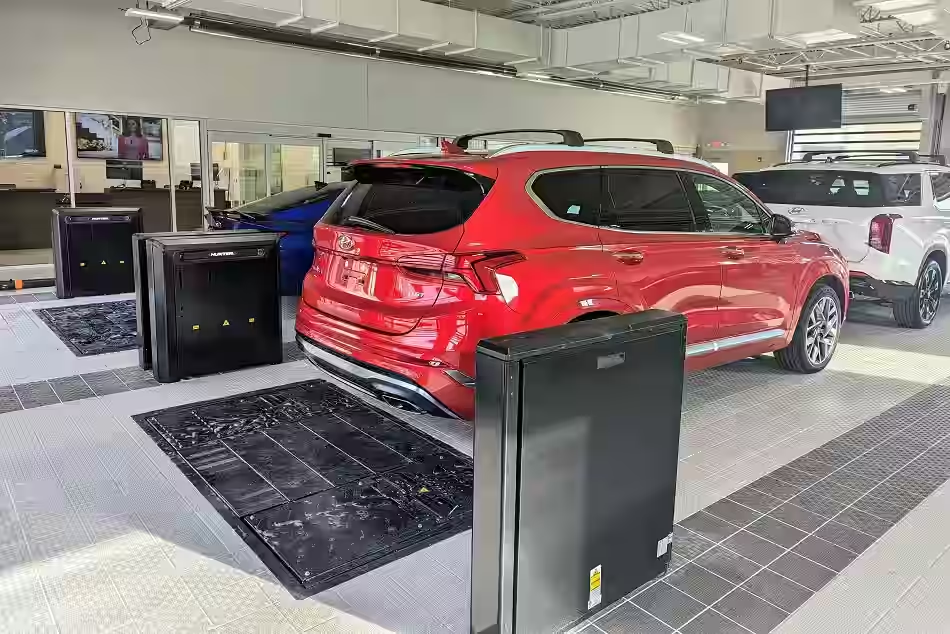
The heart of any structural repair bay is the frame machine. These massive racks allow technicians to secure a vehicle and apply tons of hydraulic pressure to "pull" the metal back into its original shape. Whether you are using a drive-on rack or a dedicated bench system, the goal is the same: controlled, measurable force.
For more information on outfitting your bay, check out our collision center solutions.
Essential Shop Tools for Frame Work:
- Hydraulic Rams and Pullers: To apply the necessary tonnage to move steel.
- Heavy-Duty Clamps: To anchor the vehicle so it doesn't move during the pull.
- Chains and Tie-Downs: Rated for high-stress industrial use.
- Induction Heaters: For localized heat application without the risks of an open flame.
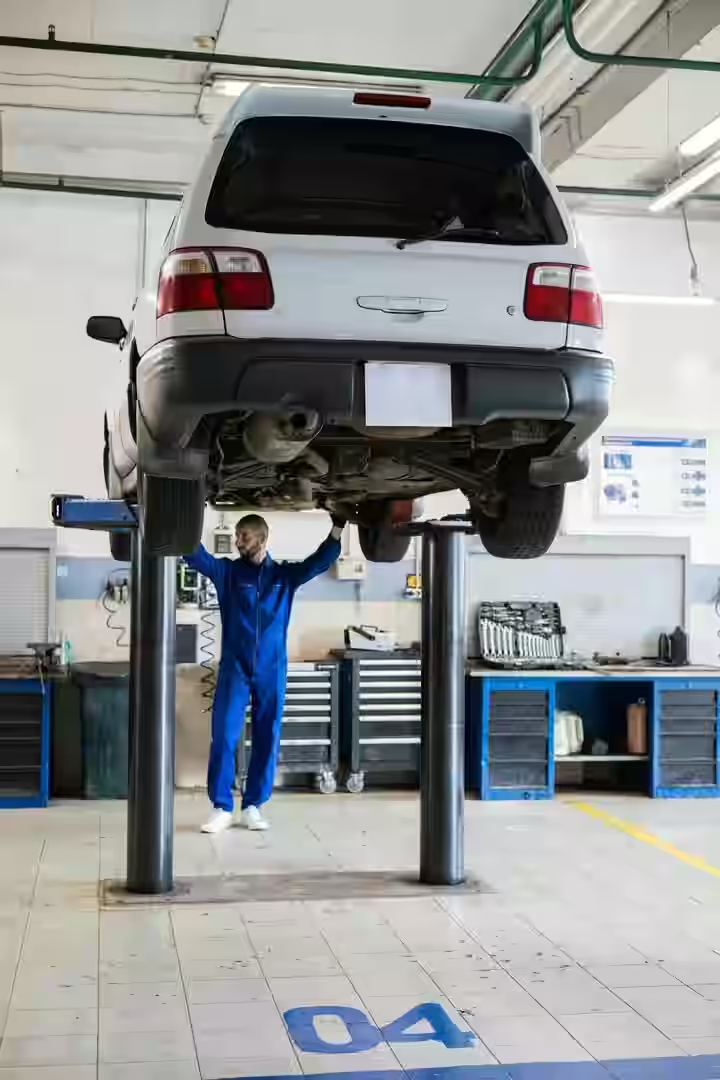
- Two-Post and Four-Post Lifts: Essential for inspecting the undercarriage and performing reassembly.
Precision Measuring Systems
If the frame machine is the "muscle," the measuring system is the "brain." Gone are the days of using tape measures and string. Today, we use 3D computerized measuring systems that utilize lasers or ultrasound to map the vehicle's current state against a database of OEM factory specifications.
These systems provide real-time data, showing the technician exactly how many millimeters a frame rail is out of alignment in three dimensions (length, width, and height). This level of accuracy is non-negotiable for modern vehicles equipped with Advanced Driver Assistance Systems (ADAS). If the frame is off by even 3mm, a forward-facing camera or radar sensor might not "see" the road correctly, leading to a safety system failure.
The Step-by-Step Frame Straightening Process
Restoring a vehicle's "backbone" is a methodical process. It’s a mix of brute force and surgical precision.
- Initial Assessment: We start by mounting the vehicle on the measuring system to identify exactly where the frame has shifted.
- Securing the Vehicle: The car is anchored to the frame rack using heavy-duty clamps. If it’s not secured properly, the hydraulic force will just move the car instead of straightening the metal.
- Controlled Pulling: Using hydraulic rams, the technician applies pressure in the opposite direction of the initial impact. This is often done in increments, with the technician "massaging" the metal to relieve stress.
- Continuous Monitoring: Throughout the pull, the 3D measuring system provides feedback. We stop once the points match the factory specs within the allowed tolerance (usually +/- 1mm).
- Stress Relief: Sometimes, the metal needs to be vibrated or "tapped" while under tension to help the molecules settle into their new (old) position.
For a deeper dive into the mechanics of this process, see this Frame Straightening Guide.
Quality Control Standards for Automotive Frame Repair
Once the frame is straight, the job isn't over. Quality control is what protects your shop from liability. Every structural repair should be accompanied by a documentation package. This includes "before and after" measuring reports that prove the vehicle was restored to OEM specifications.
Post-repair scanning is also vital. Modern cars are rolling computers. After a structural repair, you must check for fault codes in the Supplemental Restraint System (SRS) and recalibrate any ADAS sensors. Failing to do this could mean the airbags might not deploy correctly in the next accident.
Learn more about the specialized auto collision repair tools needed for these final steps.
Advanced Welding Equipment and Material Compatibility
Welding for automotive frame repair isn't like welding a farm gate. Modern vehicles use a "salad" of different materials, including mild steel, high-strength steel (HSS), ultra-high-strength steel (UHSS), and aluminum alloys.
If you use the wrong welding technique on UHSS, you can actually make the metal brittle, causing it to snap like glass in a future collision. This is why having the right equipment is critical.
- MIG (Metal Inert Gas) Welding: This is the workhorse of the collision shop. It’s excellent for steel frames because it provides strong, clean welds with good penetration.
- TIG (Tungsten Inert Gas) Welding: Often required for aluminum frames. Aluminum dissipates heat very quickly and is prone to warping, so the superior heat control of TIG is a must.
- Squeeze-Type Resistance Spot Welding (STRSW): This mimics the way the car was built at the factory. It’s the preferred method for many unibody repairs because it doesn't introduce excessive heat into large areas of the metal.
For shops handling high-end vehicles, our guide on aluminum repair equipment maintenance is a great resource for keeping your specialized gear in top shape.
Material-Specific Equipment Requirements
As manufacturers move toward lighter vehicles to meet fuel economy standards, we see more aluminum and structural adhesives. Aluminum requires a completely separate set of tools to prevent galvanic corrosion. If a steel particle from a grinder touches an aluminum frame, it can cause the aluminum to corrode rapidly. Professional shops often have a dedicated "clean room" or at least a separate tool cart specifically for aluminum work.
Business Considerations: Costs, Insurance, and Shop Efficiency
From a business perspective, automotive frame repair is a high-margin but high-cost service. Investing in a $50,000 frame machine and a $20,000 measuring system is a big pill to swallow, but the ROI comes from shop throughput and insurance approvals.
Insurance companies are much more likely to approve higher labor rates for shops that can prove they have the equipment and certifications (like I-CAR Gold Class) to perform structural repairs safely.
| Repair Type | Estimated Cost Range | Labor Hours (Avg) |
|---|---|---|
| Minor Misalignment | $600 – $2,500 | 5 – 15 hours |
| Moderate Structural Damage | $2,500 – $6,000 | 15 – 40 hours |
| Major Frame Straightening | $6,000 – $10,000+ | 40 – 80+ hours |
| Full Frame Replacement (Trucks) | $1,000 – $3,000 (Part only) | 15 – 50 hours |
Note: Costs vary based on vehicle make, model, and local labor rates in Michigan or the Carolinas.
Maximizing Shop Throughput
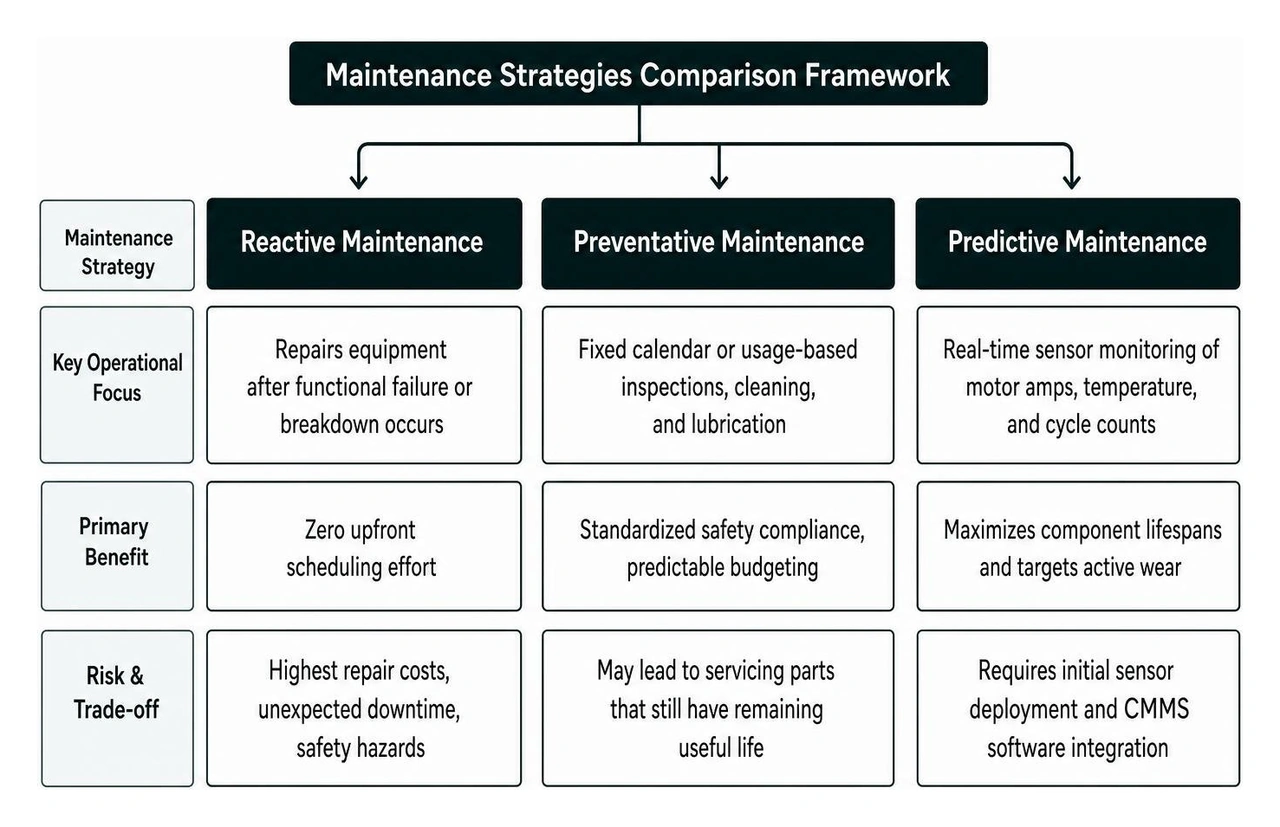
In the collision world, "uptime" is everything. A frame rack that sits empty because a hydraulic pump is broken is a rack that isn't making money. At AutoTech Solutions, we focus on minimizing that downtime through expert support and preventative maintenance.
Regularly scheduled collision center equipment maintenance ensures that when a big job rolls in, your technicians aren't fighting the equipment. This includes checking hydraulic fluid levels, calibrating laser measuring heads, and inspecting pulling chains for wear.
Frequently Asked Questions about Structural Restoration
Is it safe to repair a unibody frame?
Yes, provided the repair follows OEM (Original Equipment Manufacturer) procedures. Modern unibody cars are designed to be repaired. However, there are "no-go" zones. If a main structural pillar or a high-strength steel rail is kinked beyond a certain degree, the manufacturer may mandate replacement rather than straightening to ensure the crumple zones remain effective.
How long does the straightening process take?
For most moderate damage, the actual "pulling" and straightening takes between 3 to 7 days. This timeline depends on how long it takes to set up the vehicle, the complexity of the pulls, and whether additional parts need to be removed to gain access to the frame.
What are the signs of hidden frame damage?
Beyond the obvious visual cues, look for:
- Uneven Tire Wear: If a frame is "diamonded," the wheels will never align perfectly, leading to rapid tire scrubbing.
- Handling Issues: If the car pulls to one side or vibrates at high speeds despite a fresh alignment, the chassis might be twisted.
- Panel Gaps: Use a gap gauge to check the spaces between doors, fenders, and the trunk. If one side is 4mm and the other is 8mm, something is bent underneath.
Conclusion
Automotive frame repair is the foundation of high-quality collision work. Without a straight frame, the rest of the repair — the bodywork, the paint, the mechanical calibration — will never be quite right. For professional shops from Michigan to the Carolinas, having the right "muscle" and "brains" in the shop is what separates the leaders from the rest of the pack.
At AutoTech Solutions, we are your partners in keeping those bays running. Whether you need a new 14,000 lb. four-post lift, a laser-guided measuring system, or emergency service on your existing frame rack, we are here to minimize your downtime.
Ready to upgrade your shop's structural repair capabilities? Explore our professional shop products and let's get your customers' vehicles back in line.