Why Every Collision Shop Needs to Understand Waterborne Paint Drying Systems
A waterborne paint drying system is purpose-built equipment that accelerates the evaporation of water from water-based basecoats inside a paint booth — cutting flash and cure times, improving finish consistency, and keeping production moving.
Quick answer for shop managers:
- What it does: Forces filtered, heated air across freshly applied waterborne coatings to remove surface moisture fast
- Why it matters: Standard booth airflow alone is often too slow and uneven for waterborne paints
- Key benefit: Well-designed systems can cut flash and cure times by up to 50%
- Main types: Convection/air-amplified, infrared (IR), catalytic infrared, and hybrid hot-air/IR
- Who needs it: Any professional collision, fleet, or industrial finishing shop running water-based coatings
The shift from solvent-based to waterborne coatings has changed how paint booths need to operate. Water evaporates differently than solvent — it's more sensitive to humidity, airflow velocity, and temperature. That means the same booth that worked fine with solvent paint can become a bottleneck when running modern waterborne products.
Slow flash times. Inconsistent finishes. Rework. Lost throughput.
These aren't paint problems — they're drying infrastructure problems.
The good news: the right drying system solves them directly. This guide explains exactly how these systems work, what types are available, and how to choose and install the right one for your shop's workflow and booth setup.

Waterborne paint drying system word guide:
What Is a Waterborne Paint Drying System and Why It Matters
A waterborne paint drying system is a booth-integrated or booth-adjacent drying solution designed to move controlled air, heat, or radiant energy across water-based coatings so water evaporates faster and more evenly.
Waterborne coatings use water as the primary carrier. After application, that water must leave the coating film before the next refinishing step can happen. If moisture remains trapped too long, shops can see slower cycle times, inconsistent appearance, poor film formation, or avoidable rework.
The key challenge is the boundary layer.
That is the thin, moisture-heavy air layer that sits directly above the wet coating. If that layer is not disturbed, water evaporation slows down. A dedicated drying system pushes filtered air, heated air, IR energy, or a combination of technologies across the coating to break through that layer and carry moisture away.
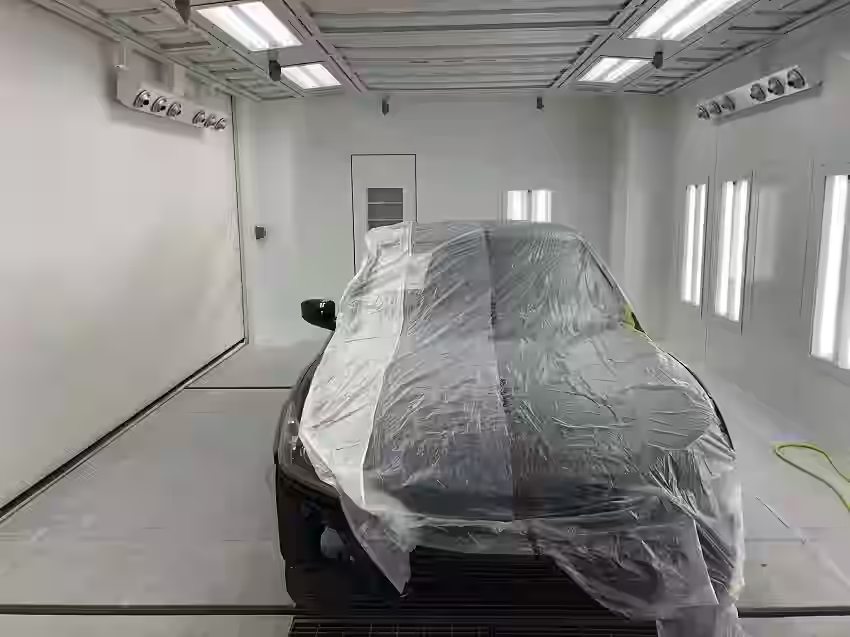
In a professional Auto Body Paint Booth, this matters because drying time is production time. When flash-off is slow, the booth becomes the bottleneck. When drying is controlled, the booth supports better throughput, more predictable scheduling, and more consistent finish quality.
Waterborne vs. Solvent-Based Drying
Solvent-based coatings and waterborne coatings do not dry the same way.
Solvent-based materials generally rely on solvent evaporation, which is less sensitive to ambient humidity than water. Waterborne products depend heavily on:
- Air movement across the coating surface
- Relative humidity inside the booth
- Booth temperature
- Substrate temperature
- Film thickness
- Air exchange and exhaust performance
With solvent systems, heat and standard booth airflow often carry enough vapor away to support the process. With waterborne coatings, slow-moving air can leave humid pockets around the work area. The coating may look dry in one zone and remain wet in another. That is where the trouble starts.
Waterborne systems also help shops respond to environmental and compliance pressure by supporting lower-solvent coating processes. They do not eliminate the need for proper booth ventilation, filtration, and code compliance, but they are part of a cleaner, more controlled finishing workflow.
How a waterborne paint drying system speeds flash-off and cure
A waterborne paint drying system speeds drying by improving evaporation mechanics. In plain English: it helps water get out of the paint faster.
Most systems use one or more of these methods:
- Forced filtered air across the coating surface
- Heated air to increase evaporation rate
- Adjustable nozzles to direct airflow where it is needed
- Turbine-driven airflow that does not depend on shop compressed air
- Infrared radiation to warm the coating directly
- Hybrid IR and hot-air zones to combine direct heating with moisture removal
Some air-amplified systems are designed to improve flash and cure times by up to 50%. That does not mean every shop sees the exact same number on every job. Coating brand, booth condition, humidity, load size, and process discipline all matter. But the principle is consistent: better air velocity, better heat transfer, and better moisture removal reduce waiting time.
Think of it like drying a floor. Leaving it alone works eventually. Moving air across it works faster. Moving warm, clean, well-directed air across it works much faster. Paint booths are more technical than a mop bucket, thankfully, but the basic moisture-removal idea is similar.
Why Conventional Booth Airflow Is Often Not Enough
Standard booth airflow is built first for overspray control, ventilation, and operator safety. It is not always optimized for fast waterborne flash-off.
Even a well-built downdraft booth can have drying limitations if:
- Air velocity is too low at the coating surface
- Large booth loads interrupt airflow
- Side areas or corners become stagnant
- Temperature stratification develops from floor to ceiling
- Humidity spikes during high-production periods
- Filters are loaded and reducing airflow
- The booth was designed around older solvent workflows
A properly designed Downdraft Paint Booth Installation gives shops a strong foundation, but waterborne drying often needs added air movement or drying modules to eliminate slow zones.
The goal is not just “more air.” The goal is controlled air: clean, directed, repeatable, and matched to the coating process.
Main Types of Waterborne Paint Drying Technologies
There are several ways to dry waterborne coatings. The right choice depends on booth design, production volume, utility availability, substrate sensitivity, and how much control the shop needs.
| Drying technology | How it works | Best fit | Key considerations |
|---|---|---|---|
| Convection / air-amplified | Moves filtered, often heated air across the coating to remove moisture | Collision and fleet refinish booths | Nozzle placement, airflow balance, filtration |
| Infrared | Uses radiant energy to heat the coating or substrate directly | Fast flash support and compact drying zones | Wavelength, distance, pigmentation, temperature control |
| Catalytic infrared | Uses flameless catalytic panels, often gas-powered, for low-temperature drying | Temperature-sensitive materials and industrial finishing | Ventilation, gas service, safety controls |
| Hybrid hot air + IR | Combines radiant heat with convection air movement | High-throughput industrial coating lines | Controls, zoning, recipe management |
| UV-assisted | Uses UV energy for compatible UV-reactive coatings | Specific industrial coating processes | Coating chemistry must be UV-reactive |
For broader industrial context, technical resources on coating drying systems for industry and industrial infrared drying and UV curing explain how convection, IR, and UV technologies are combined in production coating environments.
Convection and Air-Amplified Drying Systems
Convection and air-amplified systems are common in automotive paint booths because they directly address the biggest waterborne issue: moisture sitting on the coating surface.
These systems typically use:
- Wall-mounted air modules
- Independent turbines or motors
- Filtered air supply
- Adjustable nozzles
- Digital or manual controls
- Optional heated-air support
- Modular packages for different booth lengths
Some systems use independent turbines instead of shop compressed air. That is important because compressed air can be expensive, limited, and needed elsewhere in the facility. Independent airflow modules help reduce demand on the shop air system while delivering consistent drying air.
Adjustable nozzles, including eyeball-style nozzles, allow technicians to aim air across different work areas. Some systems deliver fine-filtered air, with certain designs referencing 5-micron rated air delivery, to reduce contamination risk while accelerating evaporation.
The Xcelerator Waterborne Paint Drying System is an example of this category, using convection-focused airflow to improve flash and cure performance. The important lesson for any shop is not the brand name; it is the design principle: controlled air breaks through the boundary layer and carries water away.
Infrared Drying for Water-Based Coatings
Infrared drying works differently from convection. Instead of primarily heating the air, IR uses radiant energy that is absorbed by the coating and substrate.
That can be useful because:
- Energy is directed toward the surface instead of the whole booth chamber
- Start-up time can be shorter than heating a large air volume
- Compact IR modules can fit into limited spaces
- IR can help water evaporate quickly from the coating layer
However, IR is not “point it at everything and hope.” Wavelength selection, distance, surface temperature, coating color, pigmentation, and layer thickness all affect performance. Darker or heavily pigmented coatings may absorb energy differently than lighter ones. Heat-sensitive materials need careful temperature control.
IR drying is often strongest when paired with good ventilation or airflow. IR helps drive moisture out; air movement removes that moisture from the surface area.
Catalytic Infrared and Low-Temperature Curing
Catalytic infrared systems use flameless catalytic heat panels, often gas-powered, to create radiant energy at controlled temperatures. This approach is useful in industrial finishing where the substrate cannot tolerate high heat.
Some catalytic IR systems operate in low-temperature ranges around 35 to 50 degrees Celsius, making them attractive for temperature-sensitive materials such as plastics, composites, veneers, and wood-based products. Research examples show catalytic infrared drying systems capable of drying painted products in under an hour in certain applications, while gas catalytic systems may cost significantly less to operate than comparable electric systems.
A technical example of this category is the Schubox Catalytic Infrared Drying System, which highlights low-temperature curing, flameless panels, and VOC oxidation concepts.
For professional shops, the takeaway is simple: catalytic IR can be a smart fit when low heat input, controlled curing, and operating cost reduction are top priorities.
Hybrid Hot Air, IR, and UV-Assisted Systems
Hybrid systems combine multiple drying methods to get the strengths of each.
A hot-air and IR system, for example, can use infrared to warm the coating directly while hot air removes evaporated water. This pairing can reduce drying time and improve uniformity compared with using either method alone.
The THERMOcure hot air and IR drying system is an industrial example of this concept. Research on that technology notes drying performance gains of about 30 to 50%, depending on coating layer thickness, air volume, and temperature window.
Hybrid systems may include:
- IR emitters
- Hot-air nozzles
- Modular cassette sections
- Separately controlled zones
- UV or LED UV compatibility for UV-reactive coatings
- Recipe-based controls
UV curing is different from drying waterborne basecoat. UV requires coatings formulated with photoinitiators and compatible chemistry. In other words, not every waterborne process can use UV. But in the right industrial coating line, UV-assisted or IR-plus-UV systems can dramatically improve line speed and surface readiness.
Choosing the Right System for a Professional Paint Booth
Selecting a waterborne paint drying system is not just a product decision. It is a booth infrastructure decision.
Before choosing equipment, we look at:
- Booth size and airflow pattern
- Production volume and workflow goals
- Coating manufacturer specifications
- Existing make-up air and exhaust capacity
- Humidity control
- Available electrical or gas utilities
- Substrate temperature limits
- Maintenance access
- Control integration
- Expected return on investment
- Installation downtime
If your shop is already planning booth upgrades, our Paint Booth Installation Cost Guide can help frame the larger project budget around equipment, utilities, installation, and service needs.
Waterborne paint drying system features that affect performance
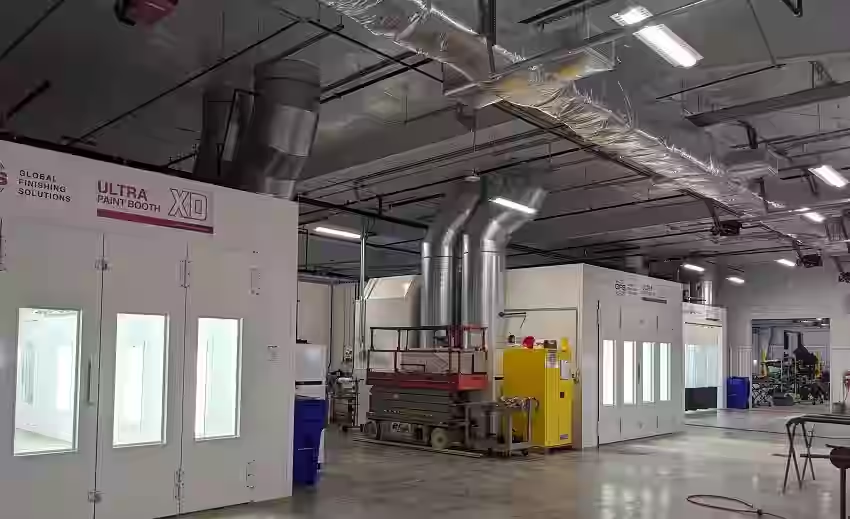
The best drying system is the one that delivers repeatable results in your actual booth, not just on a spec sheet.
Important features include:
- Independent turbines: Reduce or eliminate dependence on shop compressed air.
- Adjustable nozzles: Let the shop aim drying air across changing work areas.
- Smart controls: Support repeatable drying cycles, timing, and zone activation.
- Manual controls: Offer simple operation for smaller or lower-volume shops.
- Modular zones: Let the system focus energy where it is needed.
- Horizontal modules: Help with longer workspaces or larger booth layouts.
- Filtered air delivery: Protects finish quality while increasing airflow.
- Recipe control: Helps standardize processes across shifts.
- Rotating or repositionable units: Improve flexibility for varied workloads.
Some systems are available in different module heights or package sizes, such as 5-foot and 6-foot drying towers or multi-module booth packages. The right configuration depends on booth dimensions and how work flows through the space.
Good controls matter more than many shops realize. A drying system that depends on guesswork can create new problems. A system with repeatable settings helps technicians run the same proven process every time.
Energy Consumption and Operating Cost Factors

Energy cost depends on the drying technology, utility rates, booth size, and usage pattern.
Known examples from the market show a wide range:
- Some portable electric drying units operate at 120 volts and 1 amp, costing only pennies per day in light-duty use.
- Some affordable air drying systems report average operating costs around 30 cents per day.
- Some convection-style systems can save up to 50% of total energy compared with less efficient drying approaches.
- Gas catalytic infrared systems may cost around 80% less to operate than comparable electric equivalents in certain industrial applications.
- Hybrid hot-air and IR systems may improve drying performance by 30 to 50%, which can reduce total energy per finished job when properly engineered.
Operating cost is not just the utility bill. Shops should also consider:
- Compressor demand
- Booth run time
- Bake cycle duration
- Filter loading
- Rework costs
- Technician waiting time
- Start-up and warm-up losses
- Heat recovery and recirculation options
Heat recovery can be valuable in larger hot-air systems. For example, heat recovery hot air dryer technology focuses on reducing gas consumption and improving temperature distribution in industrial paint drying ovens.
The main point: the cheapest system to buy is not always the lowest-cost system to own.
Uniform Drying Across Booth Sizes and Workloads
Uniform drying is where system design earns its keep.
A booth may have great airflow on paper but still develop real-world drying variation because of:
- Booth length
- Workload size
- Module placement
- Nozzle angle
- Filter condition
- Air turbulence
- Temperature stratification
- Humidity load
- Dead zones near corners or lower areas
Professional systems address this through airflow mapping and zone control. Air can be directed from the sides, top, or cross-flow positions depending on booth layout and process needs. Temperature and humidity sensors can help keep the process inside the coating supplier’s recommended window.
For larger workspaces, modular systems allow additional drying capacity without overblowing one area and underdrying another. That matters because uneven drying can be worse than slow drying. At least slow drying is predictable. Uneven drying is the gremlin hiding in the booth.
Handling Temperature-Sensitive Substrates and Materials
Not every substrate likes heat. Some plastics, composites, lightweight panels, and industrial materials can warp, distort, delaminate, or lose dimensional stability if the drying process is too aggressive.
For temperature-sensitive work, we focus on:
- Lower heat input
- Controlled temperature ramp-up
- IR wavelength compatibility
- Surface temperature monitoring
- Airflow instead of excessive bake heat
- Cooling intervals when required
- Coating supplier cure windows
Catalytic IR and low-temperature convection can be useful here. IR must be carefully controlled because it can heat certain materials quickly. Hot-air systems must avoid creating high-temperature pockets. The goal is stable film formation without stressing the substrate.
Installation, Safety, Filtration, and Maintenance Essentials
A drying system is only as good as its installation and upkeep. At AutoTech Solutions, we treat drying equipment as part of the booth system, not an accessory tossed in at the end.
A proper installation review should include:
- Electrical service capacity
- Gas service, if applicable
- Booth airflow and exhaust capacity
- Intake and exhaust filtration
- Control wiring and interlocks
- Mounting locations
- Code and safety requirements
- Maintenance access
- Downtime planning
For shops that need inspection, troubleshooting, or service support, our Paint Booth Service team helps reduce downtime across professional automotive shop environments.
Retrofit and Package Options for Existing Booths
Many waterborne drying systems can be retrofitted into existing booths. Common retrofit formats include:
- Wall-mounted drying modules
- Portable stand-mounted units
- Integrated turbine packages
- Add-on digital controls
- Manual control packages
- Modular booth-length kits
- Horizontal modules for longer workspaces
- Compact IR modules
- Hybrid cassettes for industrial lines
Some air drying packages are designed around common booth lengths, such as 24 to 28 feet. Others are built as modular systems that can be expanded based on workload.
A retrofit should never start with “Where can we bolt this thing?” It should start with:
- How does the booth currently move air?
- Where are the slow drying zones?
- What utilities are available?
- How much downtime can the shop tolerate?
- What does the coating process require?
- How will the system be maintained?
For larger equipment projects, our Collision Center Equipment Install Guide explains how planning, sequencing, and installation coordination affect shop uptime.
Filtration, VOC Management, and Booth Safety
Waterborne coatings reduce solvent reliance, but they do not remove the need for proper filtration, ventilation, and safety controls.
Important safety and filtration features include:
- Clean intake filtration
- Proper exhaust filtration
- Filtered drying air
- Airflow interlocks
- Temperature limits
- Control fault detection
- Safe electrical installation
- Gas safety controls when applicable
- VOC management where required
- Proper exhaust design
Some drying systems use air filtration down to fine particle ratings before directing air across the coating. This matters because high-speed dirty air is still dirty air. Nobody wants a faster defect.
Industrial catalytic systems may include VOC oxidation or catalytic destruction concepts. Larger hot-air ovens may include indirect heating, explosion vent options, or fuel cutoff devices depending on process risk and applicable code requirements.
Paint storage and mixing areas also need proper safety planning. For related infrastructure, see our guide to Paint Mixing Room Equipment.
Maintenance Procedures That Protect Drying Performance
Drying performance gradually declines when maintenance is ignored. The system may still turn on, but it may not deliver the same air volume, temperature, or uniformity.
Recommended maintenance tasks include:
- Replace intake and exhaust filters on schedule
- Clean nozzles and air outlets
- Inspect turbines and motors
- Check belts, bearings, and vibration where applicable
- Calibrate temperature and humidity sensors
- Verify control recipes
- Inspect IR emitters and reflectors
- Clean heat exchangers
- Inspect ductwork and air plenums
- Test airflow at key booth zones
- Document changes and service dates
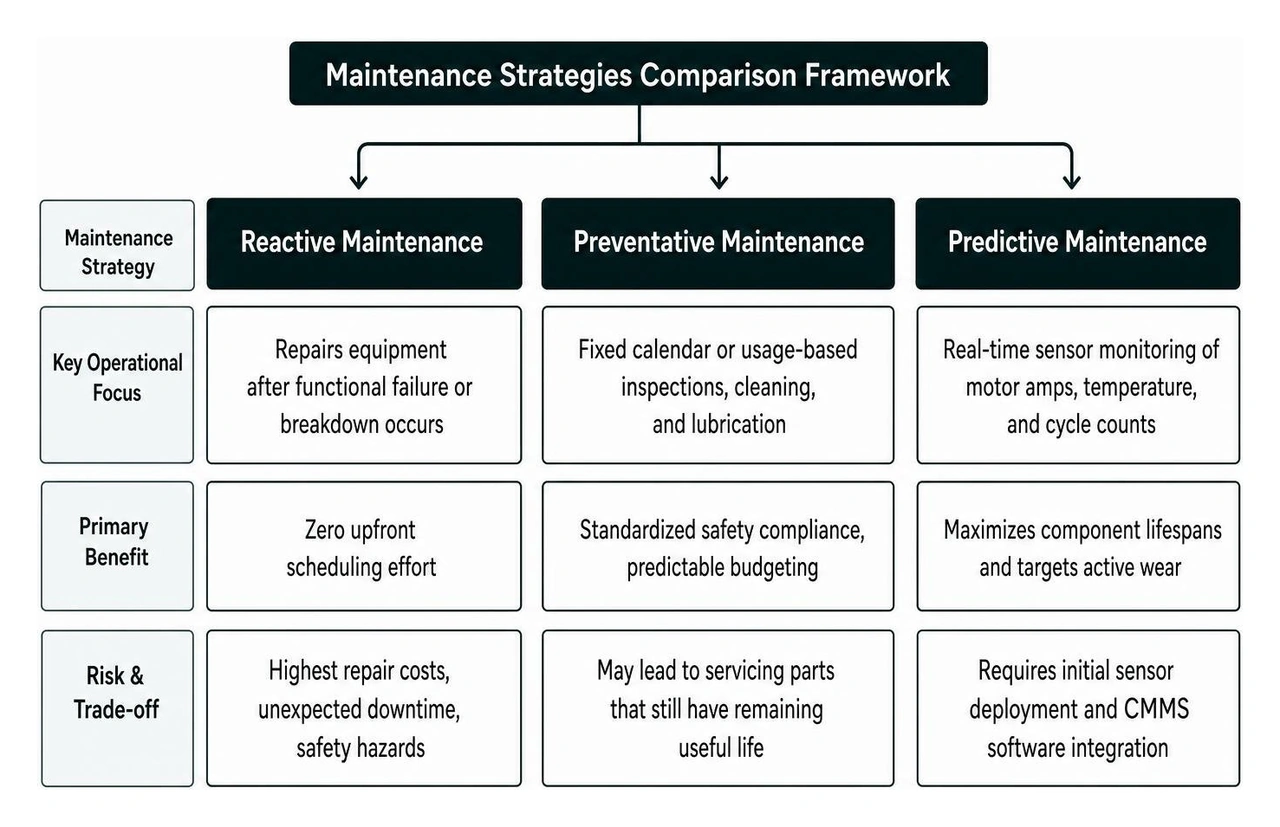
A strong Automotive Paint Booth Maintenance program protects drying quality, booth safety, and production uptime. Preventative maintenance is usually cheaper than emergency downtime, and it is definitely less stressful than discovering a drying problem during a packed production day.
When Repair or Upgrade Makes More Sense Than Replacement
Not every drying problem means the booth needs to be replaced.
Repair or upgrade may make sense when:
- Flash times are increasing
- Drying is uneven but booth structure is sound
- Controls are outdated or failing
- Nozzles are damaged or poorly positioned
- Filters and airflow systems are neglected
- Utility bills are climbing
- Existing booth airflow is acceptable but needs drying support
- Production volume has outgrown the original setup
Replacement may be the better route when the booth has major structural, airflow, code, or serviceability issues that cannot be corrected cost-effectively.
Our Paint Booth Repair Tips Guide can help shops think through symptoms before deciding whether to repair, retrofit, or plan a larger equipment upgrade.
Frequently Asked Questions About Waterborne Paint Drying Systems
How much faster can a waterborne paint drying system make a booth?
A well-designed waterborne paint drying system can improve flash and cure times by up to 50% in some applications. Actual results depend on coating type, humidity, booth airflow, filter condition, temperature, film thickness, and how consistently the process is followed.
The best way to validate performance is to test the system under real shop conditions and document the results.
Can waterborne drying systems be added to an existing paint booth?
Yes, many systems are designed for retrofit use.
Common options include wall-mounted air modules, portable drying stands, independent turbine systems, compact IR modules, and add-on control packages. Before installation, the booth should be evaluated for airflow balance, exhaust capacity, utility requirements, mounting space, and code compliance.
The goal is to improve drying without disrupting ventilation, filtration, or operator safety.
Are these systems only for automotive collision centers?
No. Collision centers are a major application, but waterborne and water-based drying technology is also used in:
- Fleet refinish operations
- Commercial equipment finishing
- Industrial metal coating
- Plastic and composite finishing
- Wood and panel coating
- Conveyorized production coating lines
The technology changes based on the process. A collision shop may need air-amplified booth modules. An industrial finishing line may need hybrid hot-air/IR zones or conveyor-integrated drying tunnels.
Conclusion: Build Faster, More Consistent Drying Into the Booth Infrastructure
Waterborne coatings are not the problem. Slow, uncontrolled drying is the problem.
The right waterborne paint drying system helps professional shops reduce flash time, improve cure support, stabilize finish quality, and keep the booth from becoming a production bottleneck. Whether the answer is convection airflow, infrared, catalytic infrared, or a hybrid system, the best results come from matching the technology to the booth, coating process, utility capacity, and daily workload.
At AutoTech Solutions, we support professional shops with automotive equipment sales, installation, service, and preventative maintenance from Michigan to the Carolinas, including our locations in Novi, Charlotte, Raleigh, and Wade. Our focus is simple: help shops minimize downtime with expert equipment support and fast repair response.
If your booth is ready for better drying performance, start with the full shop infrastructure. Explore our Collision Center Solutions to plan equipment that supports faster, cleaner, more consistent production.