%2520(1)_compressed.avif)
Why Quality Shop Tools Define the Productivity of Your Commercial Shop
Quality shop tools are the backbone of every high-performing commercial automotive facility. When a tool fails mid-job, the cost isn't just the tool itself — it's the technician standing still, the bay sitting empty, and the customer waiting.
Here's a quick breakdown of what separates quality shop tools from the rest:
| Factor | What to Look For |
|---|---|
| Material | Forged steel over cast; carbide or PCD cutting edges |
| Manufacturing | Precision-machined, tight tolerances, traceable sourcing |
| Brand Heritage | Established manufacturers with proven industrial track records |
| Warranty | Lifetime or long-term coverage with real repair/replace support |
| Total Cost | Upfront price vs. lifespan, downtime savings, and repairability |
For a commercial shop, the stakes are much higher than for standard consumer applications. Your tools run multiple shifts. Your technicians depend on them daily. A substandard torque wrench, a worn CNC bit, or a failing lift doesn't just slow one job — it can ripple across your entire bay schedule.
Some manufacturers have understood this for a very long time. Warwood Tool has been hand-forged industrial tools in Wheeling, West Virginia since 1854. Klein Tools has served trade professionals since 1857. Gray Tools has been engineering industrial-grade hand tool sets in Canada since 1912. That kind of heritage doesn't happen by accident — it's built on tools that hold up under real professional pressure.
This guide cuts through the noise to show commercial shop managers and facility operators exactly where quality matters most, and how to make procurement decisions that protect both your technicians and your bottom line.

Quality shop tools basics:
Defining the Standards of Quality Shop Tools
To make smart procurement decisions, a commercial shop manager must first understand what actually constitutes a high-quality tool. It is easy to get distracted by marketing buzzwords, but the reality of tool longevity comes down to metallurgy, precision engineering, and manufacturing standards.
When outfitting a commercial service bay, selecting premium Auto Mechanic Tools ensures that your technicians are equipped to handle high-stress applications safely and efficiently day after day.
The Metallurgy and Manufacturing of Quality Shop Tools
The difference between a tool that lasts a lifetime and one that breaks under load lies in how it is made. Cast steel tools are poured into molds, which can leave microscopic air pockets and inconsistent grain structures. Forged steel, on the other hand, is hammered or pressed into shape under extreme heat and pressure. This process aligns and refines the metal's grain structure, dramatically increasing its tensile strength and resistance to fatigue.
In heavy-duty cutting and machining applications, metallurgy is even more critical. Industrial cutting tool manufacturers utilize advanced alloys and composite materials to maintain sharp edges under extreme heat:
- Tungsten Carbide with Cobalt: Cobalt is added to tungsten carbide tools to increase toughness and resistance to thermal shock. Tool grades with higher cobalt content (such as 10% cobalt) are engineered to withstand the demanding conditions of high-speed production.
- Polycrystalline Diamond (PCD): For highly abrasive materials, PCD tooling offers extreme wear resistance, outlasting standard carbide by a wide margin and preserving precise dimensions over long production runs.
- Specialized Coatings: Coatings like AlTiN Nano PVD or TiSiN protect cutting tools from heat buildup, extending tool life and enabling faster operating speeds.
Regional Manufacturing Standards: North America vs. Europe
Commercial shops in regions like Michigan and the Carolinas have access to premium tools sourced from various manufacturing hubs, each with its own engineering philosophy:
- American-Made Tools: Brands like Warwood Tool and Klein Tools focus on rugged, over-engineered durability. Relying on domestic steel mills, these manufacturers prioritize physical strength and traditional hand-forged or precision-machined processes that stand up to harsh industrial environments.
- Canadian-Made Tools: Gray Tools has set the standard for Canadian industrial manufacturing since 1912. Their focus is on high-stress industrial applications, offering complete master sets that undergo rigorous quality control to ensure they meet strict safety and performance standards.
- European-Made Tools: European brands, such as those distributed by the Hoffmann Group or engineered by PICHLER Tools, emphasize high-tech innovation, tight tolerances, and ergonomic designs. European engineering often integrates digital components, such as Bluetooth-enabled calibration, and micro-precision profiles suited for advanced manufacturing and specialized automotive repair.
For commercial operations in areas like Charlotte, NC, Raleigh, NC, and Novi, MI, sourcing these regional standards can be done through trusted local and national distribution networks. Whether you are visiting a local commercial supplier like Northern Tool Charlotte, checking regional listings on Northern Tool Locally, or sourcing specialized woodworking and fabrication gear from Woodcraft Charlotte or Rockler Novi (also mapped via Rockler MapQuest), investing in verified regional quality pays dividends in tool reliability.
High-Return Categories for Commercial Shop Investments
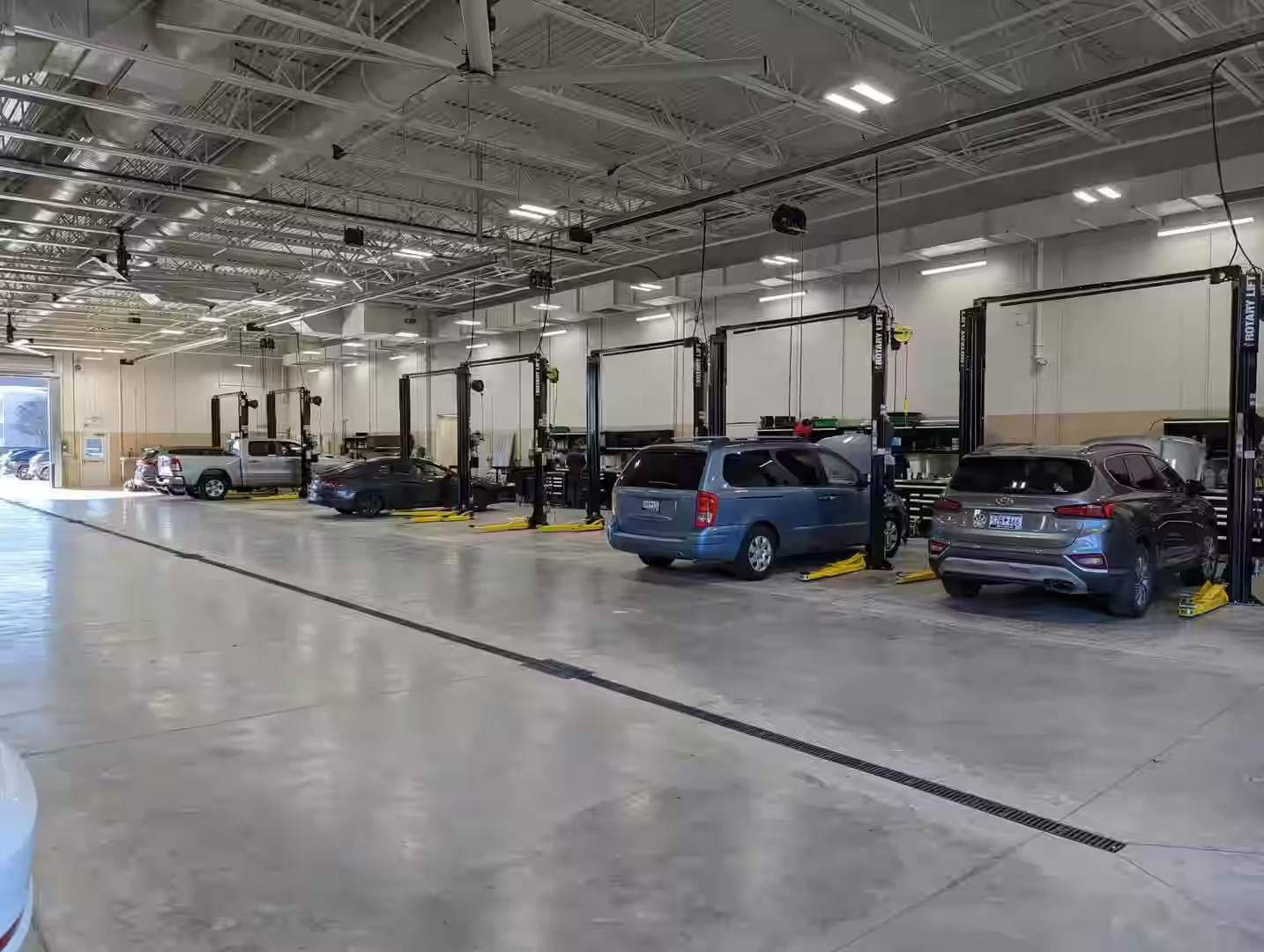
Not all tool purchases yield the same return on investment. While a basic hand tool is easily replaced, heavy-duty shop infrastructure, specialized diagnostic pullers, and advanced storage systems represent significant capital investments where choosing high quality directly impacts shop revenue.
To help guide your facility's investment strategy, consult our Automotive Shop Equipment Complete Guide, which outlines how to match your equipment choices to your specific service volume.

Heavy-Duty Shop Equipment and Infrastructure
The most critical area to invest in premium quality is your heavy-duty shop infrastructure. This includes commercial vehicle lifts, heavy-duty alignment systems, and shop-level safety installations like exhaust extraction systems.
When selecting Heavy Duty Shop Equipment, commercial shops must focus on safety certifications, structural steel thickness, and professional installation. A cheap lift or a poorly engineered exhaust extraction system poses serious safety risks and can result in costly regulatory fines or catastrophic shop downtime. Investing in professional car lift installation and robust hydraulic systems ensures your service bays remain safe, compliant, and continuously operational.
Specialized Automotive and Precision Cutting Tools
Modern commercial shops frequently encounter complex mechanical challenges that standard hand tools cannot resolve. Specialized automotive tools and high-precision cutting systems are essential for maintaining fast turnaround times:
- Hydraulic Pullers and Extractors: Seized diesel injectors, broken glow plugs, and rusted wheel bearings can easily derail a technician's schedule. Specialized hydraulic pullers, such as those from PICHLER Tools, can exert up to 22 tons of pulling force. This allows technicians to extract seized components safely without removing the cylinder head or damaging surrounding engine parts, turning multi-day repair projects into quick, single-operator tasks.
- Suspension Lever Systems: Aligning heavy suspension components traditionally required two technicians. Specialized, adjustable suspension arm levers allow a single operator to lower and lock suspension assemblies safely, freeing up labor for other bays.
- Precision CNC and Milling Tooling: For shops running custom fabrication or precision machining, high-performance cutting tools from suppliers like Quality Industrial Cutting Tools and GDP Tooling are critical. These tools preserve tight tolerances and clean finishes on advanced composites, laminates, and metals. Furthermore, utilizing high-quality lathe accessories and chucks from manufacturers like Sharp Chucks ensures rigid workpiece holding, minimizing runout and preventing tool breakage.
Advanced Storage and Tool Management Systems
A tool that cannot be found is a tool that does not exist. In a busy commercial shop, lost tools and disorganized bays lead to hundreds of hours of wasted technician time every year. This is why advanced modular workstations and smart tool management systems are high-return investments.
Implementing heavy-duty modular workstations (such as Rousseau systems) allows shops to customize their bay layouts with integrated power feeds, LED lighting, computer/laptop supports, and secure hardshell storage. To maximize tool accountability, many shops utilize advanced organization systems, such as Gray Tools’ Tool Management System (T.M.S.), which uses precision 3D CNC routed, multi-colored foam inserts. These oil- and solvent-resistant foam inserts provide a dedicated, highly visible slot for every tool, allowing technicians to perform instant visual audits at the end of every shift.
For collision and body repair bays, specialized storage and organizational layouts are equally important to keep specialized pullers and dollies organized. For a deeper look at organizing these specialized work zones, read our guide on Autobody Repair Tools as well as our resource on Auto Body Tools Near Me.
Strategic Procurement and Lifecycle Management
Procuring quality shop tools requires looking beyond the initial purchase price. For commercial fleet operations and busy collision repair facilities, tool procurement must be treated as a strategic business decision focused on lifetime value, safety standards, and minimizing bay downtime.
For collision shops looking to optimize their equipment budgets, our resource on Auto Collision Repair Tools offers practical advice on selecting durable frame-straightening and dent-repair systems that deliver long-term value.
Evaluating the Total Cost of Ownership for Quality Shop Tools
When evaluating a new tool or equipment purchase, commercial shop owners must calculate the Total Cost of Ownership (TCO). This calculation includes:
$$\text{TCO} = \text{Upfront Purchase Price} + \text{Maintenance Costs} + \text{Downtime Costs from Failure} - \text{Residual Value}$$
A cheaper tool often carries a much higher TCO because it must be replaced frequently, risks damaging customer vehicles, and causes expensive technician downtime.
To minimize TCO, look for equipment tested to rigorous safety standards, such as Norco's prototyping and testing to current ASME/PALD standards. Choosing brands that stand for durability, safety, and comprehensive customer care ensures that your equipment will perform reliably under heavy daily use, reducing the frequency of warranty returns and repairs.
Modern Innovation and Connected Tooling
Modern technology is rapidly changing how commercial shops manage their tooling assets. By integrating smart innovations, facilities can automate quality control and inventory tracking:
- Bluetooth-Enabled Measuring Tools: Connected tools, such as Bluetooth-enabled digital calipers and torque wrenches from the Hoffmann Group, allow technicians to transmit precise measurement data directly to a central quality control database. This eliminates manual data-entry errors, speeds up inspections, and provides verifiable service records for commercial fleet clients.
- PCD Diamond and Advanced Coatings: In precision cutting, switching from standard carbide to Polycrystalline Diamond (PCD) router bits and saw blades dramatically increases tool life when cutting abrasive composites, fiber cement, and engineered panels, reducing tool changeover downtime.
- Intelligent Goods Issuing Systems: Automated tool dispensing cabinets (such as the GARANT Tool24 system) secure and track critical tools and consumables. Technicians scan in to retrieve tools, giving management real-time visibility into tool usage, reducing tool loss, and automating inventory reordering to prevent stockouts of critical parts.
Frequently Asked Questions About Commercial Shop Tools
What are the benefits of modular tool storage systems in commercial shops?
Modular tool storage systems allow commercial shops to customize their service bays to match specific operational workflows. By integrating heavy-duty drawers, hardshell hutch units, power feeds, and computer mounts, these systems keep valuable diagnostic equipment secure and clean. When paired with 3D CNC routed, multi-colored foam inserts, modular storage enables instant visual audits. Technicians can see at a glance if a tool is missing before a vehicle leaves the bay, dramatically reducing tool replacement costs and preventing foreign object damage (FOD) in sensitive repair environments.
How do specialized automotive tools improve technician safety and efficiency?
Specialized automotive tools are engineered to solve complex mechanical challenges where standard hand tools fail. For example, extracting a seized diesel injector or a broken glow plug using generic tools can lead to thread damage, broken parts, and the need for complete engine disassembly. Utilizing a specialized hydraulic injector puller that applies up to 22 tons of controlled force allows a single technician to perform the extraction safely in a fraction of the time. This keeps jobs moving, protects expensive engine components from damage, and keeps technicians safe by utilizing controlled hydraulic power instead of dangerous manual leverage.
Why is collet and tool holder maintenance critical for precision machinery?
In precision milling and CNC machining, a cutting tool is only as good as the system holding it. Poor collet and tool holder maintenance is one of the most common and preventable causes of premature tool wear, poor surface finish, and tool breakage. Dust, resin, and metal debris can build up inside the collet, causing tool runout (where the tool rotates off-center). This runout puts uneven force on the cutting edges, leading to micro-chipping and rapid tool failure. Implementing a strict schedule to clean and inspect collets, nuts, and high-precision HSK Heat Shrink tool holders protects your machine spindles, preserves cutting tool life, and ensures consistent machining accuracy.
Conclusion
Investing in quality shop tools is one of the most effective ways to protect your shop's bottom line, improve technician safety, and maximize daily bay throughput. From hand-forged steel tools to advanced modular workstations and high-precision cutting systems, choosing industrial-grade quality ensures your facility can handle the toughest jobs without costly interruptions.
At AutoTech Solutions, we are dedicated to helping commercial automotive facilities in Michigan and the Carolinas maintain peak productivity. As a one-stop-shop for automotive equipment sales, professional installation, service, and preventative maintenance, we support light-duty, heavy-duty, and collision shops across Charlotte, NC, Raleigh, NC, Wade, NC, and Novi, MI.
Our core focus is minimizing your shop's downtime with expert technical support and rapid repair response times. Whether you need professional car lift installation, custom workshop storage planning, or routine preventative maintenance to keep your heavy-duty systems running smoothly, our team is ready to deliver.
Explore our professional shop tools and heavy-duty equipment to upgrade your commercial facility and keep your bays running at maximum efficiency.