
Why a Proper Collision Center Equipment Install Defines Your Shop's Success
A collision center equipment install is one of the most consequential investments a shop manager or facility owner will make. Done right, it sets the foundation for accurate repairs, faster cycle times, OEM compliance, and long-term profitability. Done poorly, it creates costly downtime, safety risks, and rework that erodes your margins.
Here is a quick overview of what a professional collision center equipment install typically involves:
- Site assessment - Verify floor load capacity, utility access, bay dimensions, and permit requirements
- Equipment selection - Match frame machines, paint booths, measuring systems, alignment equipment, and dust extraction to your shop's vehicle mix and repair volume
- Infrastructure preparation - Upgrade electrical, pneumatic, and ventilation systems to meet equipment demands
- Professional installation - Anchor, level, and calibrate each system to manufacturer and OEM specifications
- Commissioning and testing - Verify airflow, structural integrity, measurement accuracy, and safety protocols
- Training and handover - Ensure technicians can operate every system correctly from day one
Getting all five stages right is what separates a high-performing shop from one that struggles with breakdowns and compliance issues.
Modern collision centers handle far more complexity than a decade ago. Facilities now manage high-strength steel, aluminum alloys, and advanced driver assistance systems (ADAS) that require structural repairs within extremely tight tolerances. A misaligned frame machine or improperly calibrated measuring system does not just slow repairs - it can compromise sensor function and safety compliance.
At the same time, the business case is clear. Shops that bring services like wheel alignment and ADAS calibration in-house can save more than a full day on a typical seven-day repair cycle compared to subletting those services. That time savings translates directly into throughput, revenue, and shop efficiency.
This guide walks through everything your facility needs to know - from planning and preparation to installation, compliance, and post-installation support.

Collision center equipment install terms to remember:
- ADAS Equipment Installation and Setup
- Automotive Lift Installation
- Air Compressor Installation for Automotive Shop
Essential Systems for a Modern Collision Center Equipment Install
Building a world-class repair facility requires more than just a few tools; it requires a synchronized ecosystem of high-tech machinery. When we handle a collision center equipment install, we focus on systems that support "first-time-right" repairs. This is the only way to protect your profit margins from being eaten away by comebacks and rework.
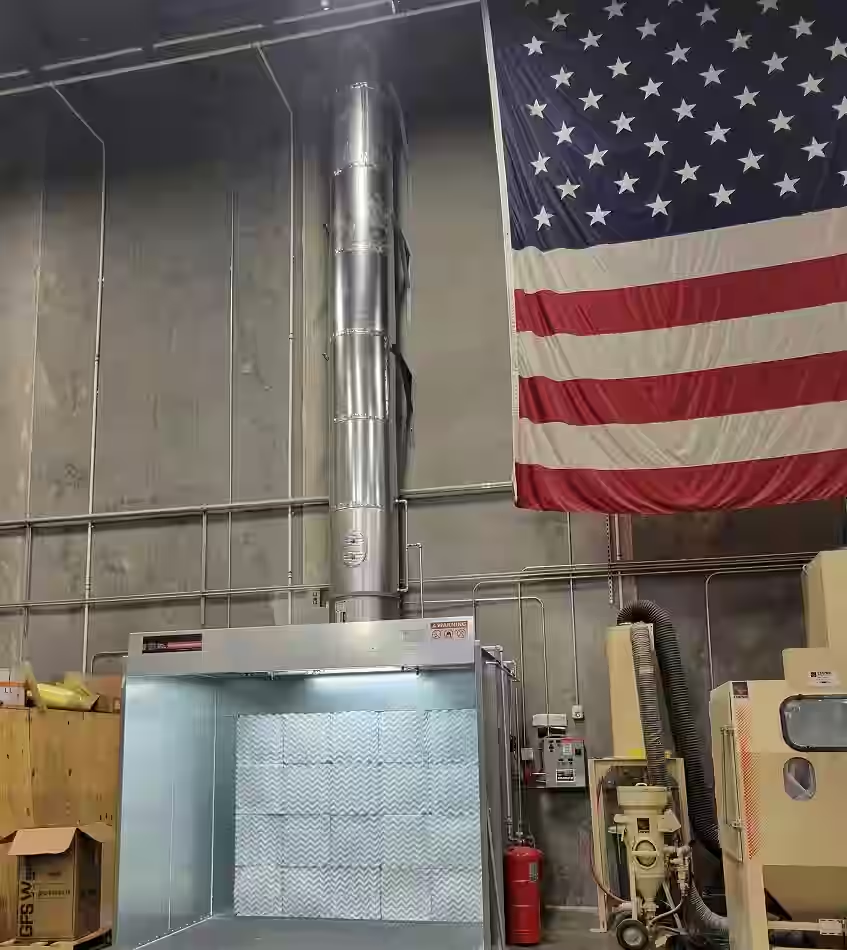
A modern shop needs a comprehensive suite of collision center solutions to stay competitive. This starts with a high-performance auto body paint booth designed for airflow efficiency and rapid curing. Without a properly installed booth, your cycle times will lag as you wait for panels to dry, and your finish quality will suffer from dust contamination.
Beyond the booth, you need specialized auto collision repair tools that can handle the mixed-material construction of modern vehicles. This includes specialized plastic repair systems and high-efficiency dust extraction systems. As noted in industry Facilities & Equipment standards, maintaining a clean, dust-free environment isn't just about aesthetics—it's about technician health and preventing paint defects.
Structural Repair and Frame Machines
The backbone of any collision shop is its structural repair system. Frame machines and racks must be anchored with extreme precision to provide the counter-force needed for heavy pulls. Whether you are using a dedicated bench or a universal system, the goal is the same: restoring structural geometry to OEM specifications.
Properly mastering specialty collision hardware means understanding how to secure structural components at specific points. If a frame machine is not leveled or anchored correctly during the collision center equipment install, you risk secondary damage and, more importantly, safety hazards for your team. We ensure that every anchoring system and pulling tower is calibrated to deliver the exact tonnage required for today's high-strength steels.
Precision Alignment and ADAS Collision Center Equipment Install
In the age of smart vehicles, structural repair is no longer just about metal—it’s about sensors. Bringing collision alignment in-house is one of the smartest moves a shop can make. Subletting alignments often adds three days to a repair timeline; doing it in-house can reduce that to just one day.
However, an alignment rack today is also an ADAS calibration platform. Our complete guide to ADAS equipment installation highlights that sensor calibration requires a perfectly level floor and precise thrustline positioning. Even a fraction of a degree of error in the structural alignment can cause a Lane Departure Warning or Automatic Emergency Braking system to malfunction. Proper installation ensures your technicians can perform these high-margin services with total confidence.
Planning and Preparation for Equipment Implementation
Success starts long before the equipment arrives on a truck. At AutoTech Solutions, we believe shop design and consulting is the most critical phase of the process. You have to look at the "bones" of your building. Is the concrete thick enough to support a 14,000-lb lift? Is the ceiling high enough for a downdraft booth's plenum?
One often overlooked area is the air compressor installation for an automotive shop. A collision center is a "air-hungry" environment. Between pneumatic sanders, paint guns, and frame machine pumps, your air system needs to be robust and, crucially, dry.
| Equipment Type | Space Requirement (Approx) | Power Requirement | Utility Needs |
|---|---|---|---|
| Paint Booth | 15' x 30' (Min) | 208-460V 3-Phase | Natural Gas/Propane, Exhaust Venting |
| Frame Rack | 18' x 24' | 110V / Air | High-Pressure Pneumatic Lines |
| Alignment Lift | 15' x 23' | 220V Single/3-Phase | Level Floor, Data Connection |
| Air Compressor | 4' x 6' | 230-460V 3-Phase | Vibration Dampening, Moisture Drainage |
Infrastructure and Utility Requirements
Your utilities are the lifeblood of your equipment. During a collision center equipment install, we evaluate the total electrical load to prevent tripped breakers during peak production. A professional air compressor installation must also include high-quality desiccant air dryers. In fact, advanced desiccant systems can provide 20-25% longer media life, ensuring your paint lines stay moisture-free and your tools stay lubricated.
Ventilation is another non-negotiable. A downdraft paint booth installation requires complex ductwork and airflow balancing. If the intake and exhaust aren't perfectly synced, you’ll deal with "overspray fog" or, worse, a booth that doesn't meet local fire and environmental codes.
The Professional Installation Process
When it's time to "get to work," precision is our only standard. We don't just "bolt things down." Our technicians perform a comprehensive site assessment to ensure the floor is level and the anchors will hold. Whether we are following an automotive lift installation guide or setting up a 3D measuring system, we use laser-leveling and industrial-grade fasteners.
Expert automotive equipment installation and service means looking at the workflow. We don't just install a machine; we position it to minimize "dead steps" for your technicians. Efficiency is built into the layout.
Steps for a Successful Collision Center Equipment Install
- Foundation Verification: We check concrete PSI and thickness before any automotive lift installation begins.
- Component Assembly: Major systems like paint booths or frame racks arrive in sections. We assemble them according to strict manufacturer blueprints.
- System Integration: We connect the electrical, air, and data lines, ensuring that your Pro Spot equipment and diagnostic tools have the power they need.
- Airflow Balancing: For booths, we measure the feet-per-minute (FPM) of air moving across the vehicle to ensure optimal curing and overspray removal.
- Final Testing and Calibration: We run the equipment through its full range of motion and verify that measuring systems are accurate to within a millimeter.
Ensuring OEM Compliance and Safety
OEM certification is the "gold ticket" for modern collision centers. To earn these certifications, your equipment must be installed and maintained to exact standards. A proper car hoist installation isn't just about lifting a car; it's about liability reduction. If a lift fails because of poor anchoring, the consequences are catastrophic.
We provide the documentation you need for insurance requirements and safety audits. This includes verifying safety protocols like emergency shut-offs, limit switches, and ventilation interlocks. When we finish an install, your shop isn't just ready to work—it's ready to pass an inspection.
Maximizing ROI Through Post-Installation Support
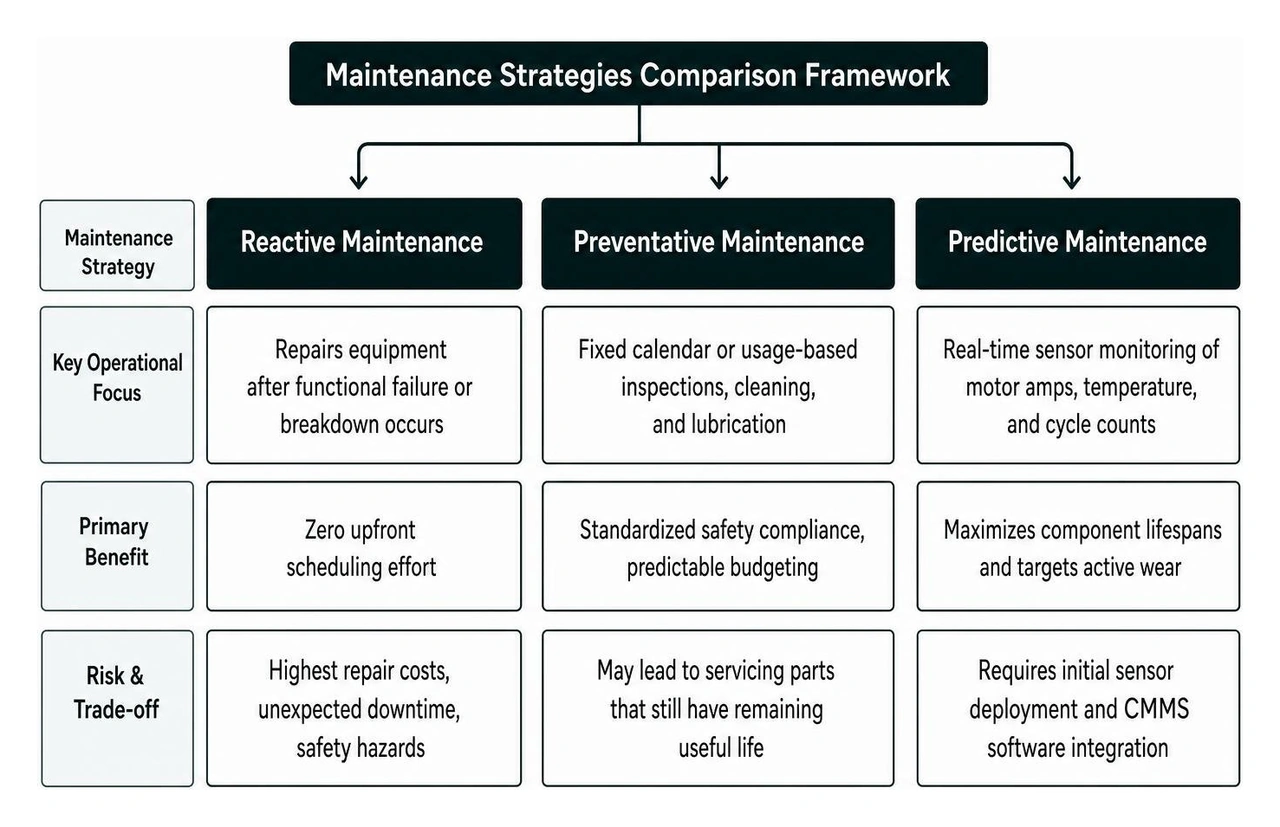
The day the installers leave is just the beginning. To keep your shop profitable, you need a plan for collision center equipment maintenance. Equipment issues directly impact your revenue and your technicians' earnings. If your booth goes down, your paint team stops making money.
AutoTech Solutions specializes in minimizing this downtime. We provide rapid response support across Michigan and the Carolinas, from Novi to Raleigh. Whether you are using GFS Global Finishing Solutions or advanced structural benches, our team is trained to diagnose and fix issues fast.
Technician training is also a core part of ROI. If your team doesn't know how to use the 3D measuring system to its full potential, that's "trapped value." We ensure your staff is comfortable with the technology from day one, helping you achieve that 50% faster setup time for ADAS and alignment tasks.
Frequently Asked Questions about Collision Equipment
How long does a typical equipment installation take?
The timeline varies wildly based on the equipment. A standard two-post lift might take a day, while a full downdraft paint booth with a heater and custom ductwork can take 7 to 14 days. Structural frame machines usually take 2-3 days for assembly, anchoring, and calibration. We always provide a clear project timeline during the "Let's Talk" phase to help you manage shop downtime.
What are the primary factors influencing installation costs?
Beyond the price of the machine itself, costs are driven by:
- Utility Upgrades: Running 3-phase power or high-volume gas lines to a new booth.
- Concrete Work: If your floor doesn't meet the PSI requirements for a heavy-duty lift.
- Permitting: Local building and fire codes often require professional engineering stamps.
- Ductwork: The length and complexity of exhaust runs for finishing systems.For a deeper dive, check out our paint booth installation cost guide.
Why is professional calibration necessary after installation?
Modern vehicles are built to tolerances of less than a millimeter. If your measuring system or frame rack is off by even a tiny fraction, the "hidden damage" might go uncorrected. Professional calibration ensures that your equipment's "zero point" is accurate, which is the only way to guarantee that ADAS sensors and suspension components will function as the manufacturer intended.
Conclusion
A collision center equipment install is the heartbeat of your business. It’s what allows your facility to maintain high throughput and meet the most demanding OEM repair standards. By focusing on precision installation, OEM compliance, and a smart shop layout, you aren't just buying tools—you’re buying a more profitable future.
At AutoTech Solutions, we are your one-stop-shop for everything from products to long-term services. Whether you are planning a new facility or upgrading an existing one, our team is ready to handle your installations, upfits, and facility buildouts with the expertise that shops across Michigan and the Carolinas trust.
Ready to take your shop to the next level? Let’s get to work.