
Why Curing Lamp Maintenance and Repair Keeps Your Shop Running
Curing lamp maintenance and repair is one of the most overlooked factors in collision center productivity — until a lamp fails mid-job and your technicians are standing still.
Here's a quick overview of what proper curing lamp maintenance involves:
- Clean the lamp and reflectors monthly using isopropyl alcohol and a lint-free cloth
- Track operating hours and replace lamps at 1,000–1,500 hours
- Inspect reflectors for corrosion or distortion that can cut UV output by up to 50%
- Check power connections, ballasts, and cooling fans regularly for early signs of failure
- Wear latex gloves when handling quartz lamps to prevent oil contamination
- Use a UV radiometer to monitor light intensity over time
- Call a certified technician for ballast replacement, wiring faults, or persistent issues
UV curing lamps are precision tools. Under normal shop conditions, a lamp delivers full UV output for roughly 1,000 hours — after which performance can drop to around 70% of its original intensity. That drop doesn't just mean slower curing times. It means inconsistent results, rework, and lost throughput.
The good news? Most failures are preventable. A consistent maintenance routine can dramatically extend lamp life and protect your shop's bottom line. The sections below walk you through everything — from basic cleaning to advanced diagnostics and when to schedule professional service.

Curing lamp maintenance and repair terms at a glance:
- Aluminum Repair Equipment Maintenance
- Collision Center Equipment Maintenance
- Paint Booth Repair Service
The Importance of Curing Lamp Maintenance and Repair
When we talk about curing lamp maintenance and repair, we are talking about the heartbeat of a modern paint department. UV curing technology has revolutionized how quickly we can get a vehicle through the booth, but that speed relies entirely on the quality of the light hitting the substrate.
Under normal production conditions, a UV curing lamp provides about 1,000 hours of maximum performance. Once you cross that 1,000-hour benchmark, the UV output typically decreases to around 70%. While the lamp might still "look" bright to the naked eye, the actual curing energy—the part that polymerizes the resins—is significantly weakened.
If we ignore maintenance, we see a domino effect:
- Reduced Curing Efficiency: Coatings take longer to dry, or worse, they dry on the surface but remain soft underneath.
- Production Downtime: A sudden lamp failure can stall a shop for days while waiting for parts.
- Increased Energy Costs: Aging components often draw more power while delivering less results.
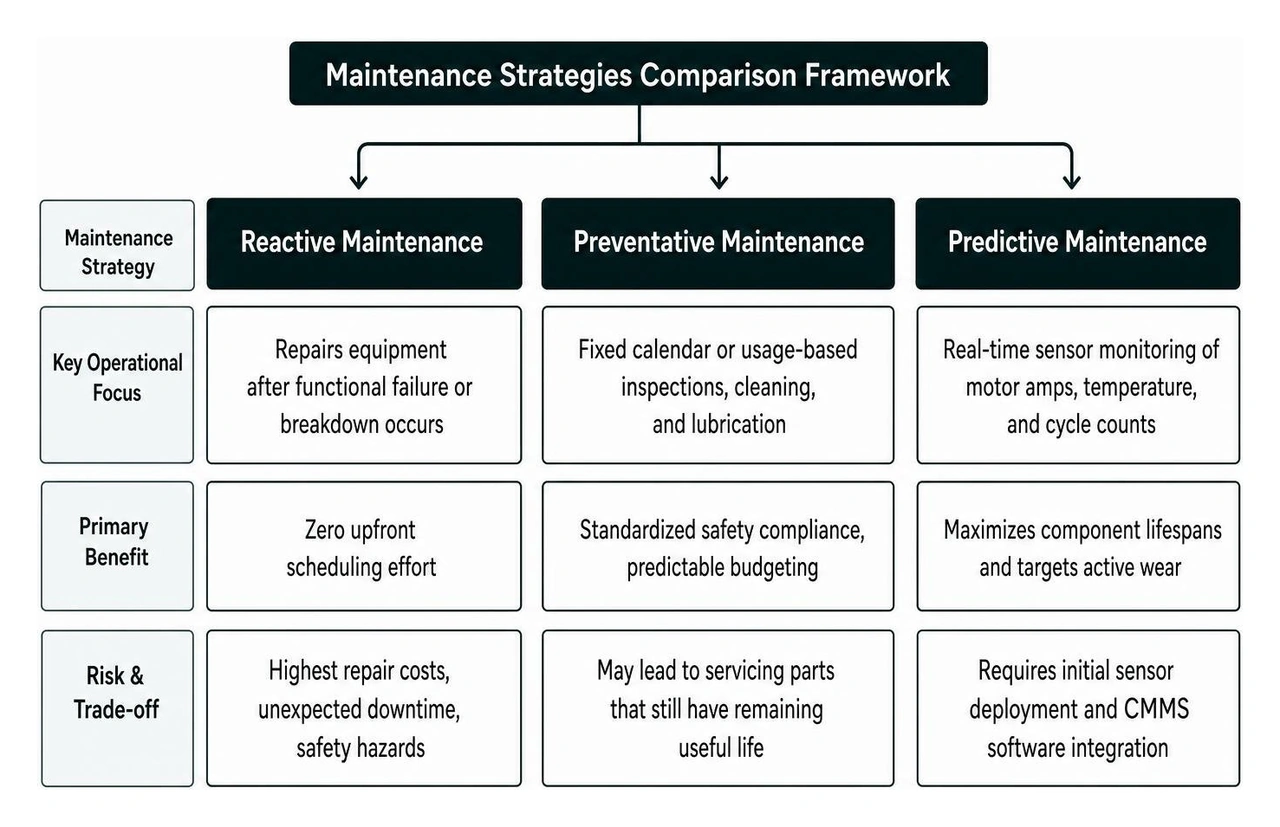
By implementing Preventative Maintenance Programs, we can actually extend the functional life of these lamps significantly. While a standard warranty might cover 1,000 hours, we’ve seen well-maintained lamps in professional shops cure effectively for up to 4,000 hours.
Maintained vs. Neglected Lamp Lifespans
| Feature | Properly Maintained Lamp | Neglected Lamp |
|---|---|---|
| Full UV Output | Up to 1,500 Hours | ~800-1,000 Hours |
| Reflector Efficiency | 95-100% | 40-50% (due to corrosion) |
| Cooling System | Clean fans/filters; stable temp | Clogged; leads to bowing/leaks |
| Total Operating Life | 4,000+ Hours | 1,000-1,200 Hours |
Maximizing ROI in Collision Centers
In a busy collision center, every minute a vehicle sits in the booth represents an opportunity cost. High-intensity UV lamps represent a significant investment, and maximizing their ROI means keeping operating costs low and equipment lifespan high.
Proper Collision Center Equipment Maintenance ensures that you aren't replacing expensive mercury vapor or LED units prematurely. When a lamp is kept clean and the cooling system is functional, the internal components like ballasts and capacitors aren't forced to work overtime to compensate for heat or dirt, which saves you thousands in long-term repair bills.
Routine Cleaning and Inspection for Optimal UV Output
The single most effective thing we can do for curing lamp maintenance and repair is to keep things clean. It sounds simple, but in a shop environment filled with overspray, dust, and humidity, it is a constant battle.

Dust and grime on a UV lamp act as a filter, blocking the very wavelengths needed for curing. Even worse, contaminants can cause "devitrification." This occurs when foreign substances on the quartz body react with heat, causing the quartz to turn into a white, crystalline structure. Once devitrification sets in, UV transmission is permanently reduced, and the lamp body becomes brittle.
To prevent this, follow these steps:
- Cool Down: Always allow the lamp to cool for at least 5 to 10 minutes before touching it.
- The Right Solvents: Use a lint-free cloth soaked in high-quality Isopropyl Alcohol (IPA) or methylated spirits. Never use water or household glass cleaners that leave residues.
- Monthly Schedule: At a minimum, lamps should be cleaned once a month. In high-volume shops, every two weeks is better.
For more detailed technical specs on lamp care, you can refer to this guide on UV Lamp Maintenance.
Handling Quartz and Reflectors
One of the most common mistakes we see is technicians handling lamps with bare hands. Your skin produces natural oils that, when left on a quartz lamp, create "hot spots." These spots lead to premature failure and clouding. Always wear latex or nitrile gloves when unpacking or installing a new lamp.
Don't forget the reflectors! Around 60% of the UV radiation that hits the vehicle is actually reflected UV, not direct light. If your reflectors are dull, corroded, or covered in a fine layer of shop dust, you are losing more than half of your curing power.
This is especially critical when performing Automotive Paint Booth Maintenance. If a reflector is distorted or "rainbowed" from heat, it must be replaced. A clean, shiny reflector is just as important as a fresh bulb.
Troubleshooting Common Equipment Failures
When a lamp stops working, it’s easy to assume the bulb is burnt out, but the issue is often hidden in the circuitry or the cooling system.
If your system won't fire up, start with the basics of Automotive Equipment Repair:
- Power Supply: Check the outlet and the power cord for any physical damage. In a shop, cords are often stepped on or rolled over by heavy equipment.
- Fuses and Breakers: Verify that a surge hasn't tripped the internal breaker or blown a fuse in the control box.
- Cooling Fans: Most UV lamps have an interlock. If the cooling fan isn't spinning or the air filter is so clogged that airflow is restricted, the lamp will refuse to turn on to prevent a fire.
For a deeper dive into diagnostic trees, the UV Lamp Troubleshooting resource provides an excellent breakdown of common arc and microwave lamp faults.
Troubleshooting Curing Lamp Maintenance and Repair Issues
If the lamp turns on but behaves strangely, you might be looking at one of these common electrical issues:
- Flickering or Unstable Arc: This often points to a failing ballast or voltage fluctuations in the shop. If other heavy machinery is on the same circuit, the "noise" can cause the lamp to flicker.
- Intermittent Power: Check the electrical connections at the ends of the lamp. These connections can withstand up to 250°C, but over time, they can become brittle or corroded, leading to a loose fit.
- Electrode Erosion: If the ends of the lamp look extremely black, the electrodes are wearing down. This is usually caused by excessive "starts." Every time you turn a lamp on and off, it takes a toll. Using a "standby" mode at 50% power is a much better way to manage workflow than constant power cycling.
Identifying Reduced Light Intensity
How do you know if your lamp is actually curing at full strength? You can't trust your eyes.
- Dim Output: If the lamp appears purple or blue when it used to be white (for mercury lamps), the gas mixture inside may be leaking or the quartz is clouded.
- Blackened Ends: A small amount of darkening is normal, but heavy black "mirror" coatings mean the lamp is being over-cooled or is nearing the end of its life.
- UV Radiometer: This is the only way to be sure. A radiometer measures the actual UV millijoules hitting the surface. If your readings are consistently low despite a clean lamp and reflector, it's time for a replacement.
Component Replacement and Lifecycle Management
Knowing when to repair versus when to replace is key to efficient curing lamp maintenance and repair. Most manufacturers recommend replacement between 1,000 and 1,500 hours. Even if the lamp is still lighting up, the "spectral shift" means it might not be emitting the specific wavelengths your paint brand requires.
When replacing components, don't just look at the bulb. We recommend inspecting:
- Mercury Contactors: These switch the high-voltage load and can wear out after thousands of cycles.
- Capacitors: These help start the lamp and stabilize the arc. If they bulge or leak, replace them immediately.
- Reflectors: As mentioned, if they aren't "mirror-bright," they are dragging down your efficiency.
Check out our Paint Booth Repair Tips Guide for more insights on managing the lifecycle of your booth's drying equipment.
When to Upgrade to LED Technology
If you are currently using older mercury vapor technology, it might be time to consider an upgrade. While traditional lamps are powerful, they require significant pre-heating time and consume a lot of energy.
Modern UV-A LED curing lamps offer several advantages:
- Instant On/Off: No more waiting for a 5-minute warm-up or cool-down cycle.
- Lower Heat: LED units run much cooler, reducing the risk of warping plastic bumpers or delicate panels.
- Longevity: LEDs can last 20,000 hours or more, compared to the 1,000–4,000 hours of mercury lamps.
This is particularly relevant for shops focusing on Aluminum Repair Equipment Maintenance, where heat management is critical for structural integrity.
Safety Standards and Professional Service
Working with UV curing lamps involves high voltage, intense heat, and potentially harmful radiation. Safety is not optional.
- PPE Requirements: Always wear UV-filtering goggles. Standard safety glasses are not enough to protect your retinas from long-term UV damage.
- Thermal Management: The quartz body of a lamp can reach 600°C to 800°C. Never attempt maintenance until the unit is fully cooled.
- Lockout/Tagout: Before opening any control panels or handling internal wiring, follow a strict lockout/tagout procedure to ensure no one accidentally flips the switch while you are working on the circuit.
For complex issues, the AutoTech Solutions Service, Repair and Equipment Support team is always available to ensure your shop stays compliant with safety standards.
Professional Curing Lamp Maintenance and Repair Services
While basic cleaning can be performed by shop staff, advanced diagnostics require professional tools like multimeters and UV integrators. AutoTech Solutions' certified technicians can handle:
- Firmware Updates: Modern curing systems often have software that manages cooling cycles and power output.
- Complex Rewiring: Replacing high-voltage leads that have become brittle from years of heat exposure.
- System Calibration: Ensuring your lamps are positioned perfectly to provide an even cure across the entire vehicle panel.
This level of precision is also vital for ADAS Calibration Equipment Maintenance, where even a small misalignment or power fluctuation can lead to system errors.
Frequently Asked Questions about Curing Lamps
How often should UV curing lamps be cleaned in a shop environment?
In a standard automotive shop, we recommend a thorough cleaning every 2 to 4 weeks. If your shop does a high volume of sanding or has poor ventilation, you may need to clean the lamps weekly to prevent dust from baking onto the quartz.
What are the primary signs that a curing lamp ballast is failing?
The most common signs include the lamp taking an unusually long time to strike (start), frequent flickering during operation, or a loud humming/buzzing sound coming from the control box. If the lamp shuts off unexpectedly after warming up, the ballast may be overheating.
Can proper maintenance really extend a lamp's life beyond its warranty?
Absolutely. While most lamps are warranted for 1,000 hours, we routinely see professional shops achieve 3,000 to 4,000 hours of effective use by keeping reflectors clean, replacing air filters regularly, and avoiding unnecessary power cycles by using standby modes.
Conclusion
At AutoTech Solutions, we know that your shop’s success depends on the reliability of your equipment. Whether you are in Novi, MI, or across the Carolinas in Charlotte, Raleigh, or Wade, NC, our mission is to minimize your downtime with expert support and rapid repair response.
Don't wait for a lamp to fail and disrupt your production schedule. From professional installation to long-term preventative maintenance, we have the expertise to keep your collision center at peak performance.
Contact AutoTech Solutions for professional collision center solutions today to schedule a maintenance check or to discuss upgrading your curing technology. We’re here to keep your lights on and your shop's production moving.