Why Your Paint Booth Automotive Setup Defines Your Shop's Profitability
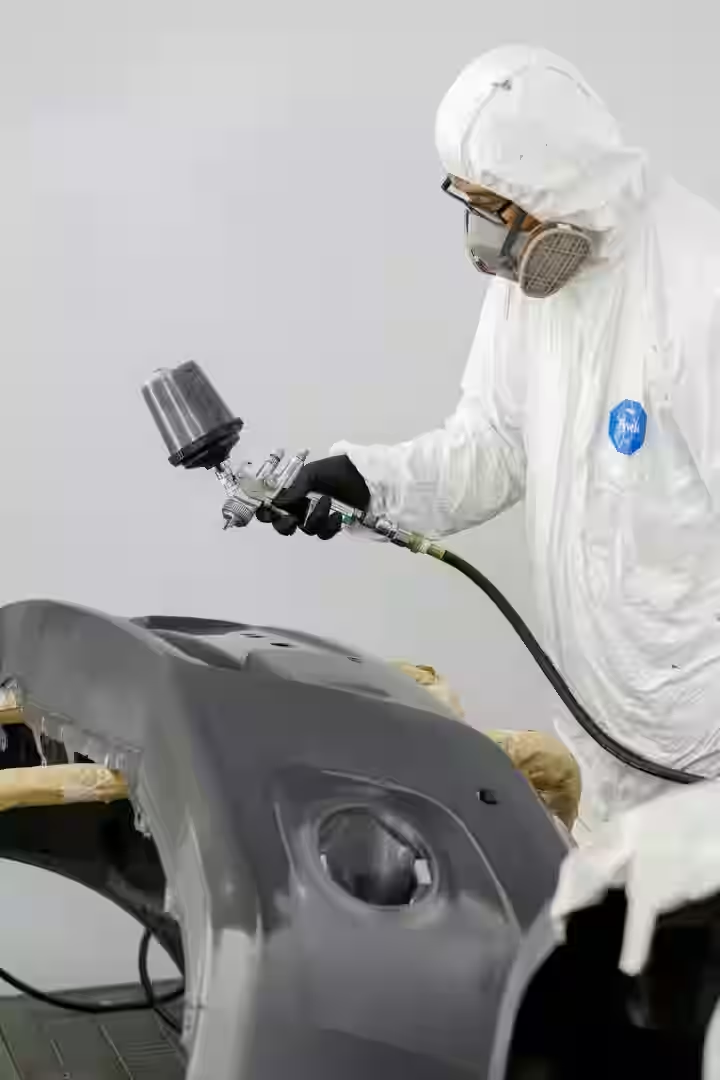
A paint booth automotive shops rely on is far more than a spray room — it's the core production asset that determines your cycle times, finish quality, energy costs, and compliance standing.
Quick Answer: What is an automotive paint booth?
An automotive paint booth is a sealed, ventilated enclosure used in professional body shops and collision centers to apply and cure vehicle coatings safely and consistently. Here's what you need to know at a glance:
- Purpose: Controls airflow, temperature, and contamination during paint application and curing
- Main types: Downdraft, semi-downdraft, and crossdraft configurations
- Key benefits: Cleaner finishes, faster cure times, lower energy costs, and code compliance
- Who uses them: Collision repair centers, auto body shops, OEM-certified dealers, and fleet refinishing facilities
- Compliance standards: Must meet NFPA 33, OSHA, and IFC Chapter 24 requirements; ETL listing confirms third-party safety verification
- Supporting equipment: Prep stations, paint mix rooms, infrared curing lamps, and air make-up units round out a complete refinishing system
Choosing the wrong booth — or running an aging one without a maintenance plan — directly eats into your throughput and bottom line.
The good news? Today's commercial paint booths have advanced significantly. Modern systems can save shops up to 60% in electricity and 75% in fuel costs using built-in economy modes. Advanced curing systems can cut coating cure times in half. And the right airflow configuration can mean the difference between a flawless finish and a rework.
This guide walks you through every major decision — from airflow systems and booth sizing to curing technology, energy efficiency, and compliance — so you can make a confident, informed investment for your facility.
Here at AutoTech Solutions, our team specializes in paint booth sales, installation, and preventative maintenance for commercial collision and refinishing shops across Michigan and the Carolinas — and we've put together this complete guide to help shop managers cut through the noise.

Core Airflow Systems and Design Configurations
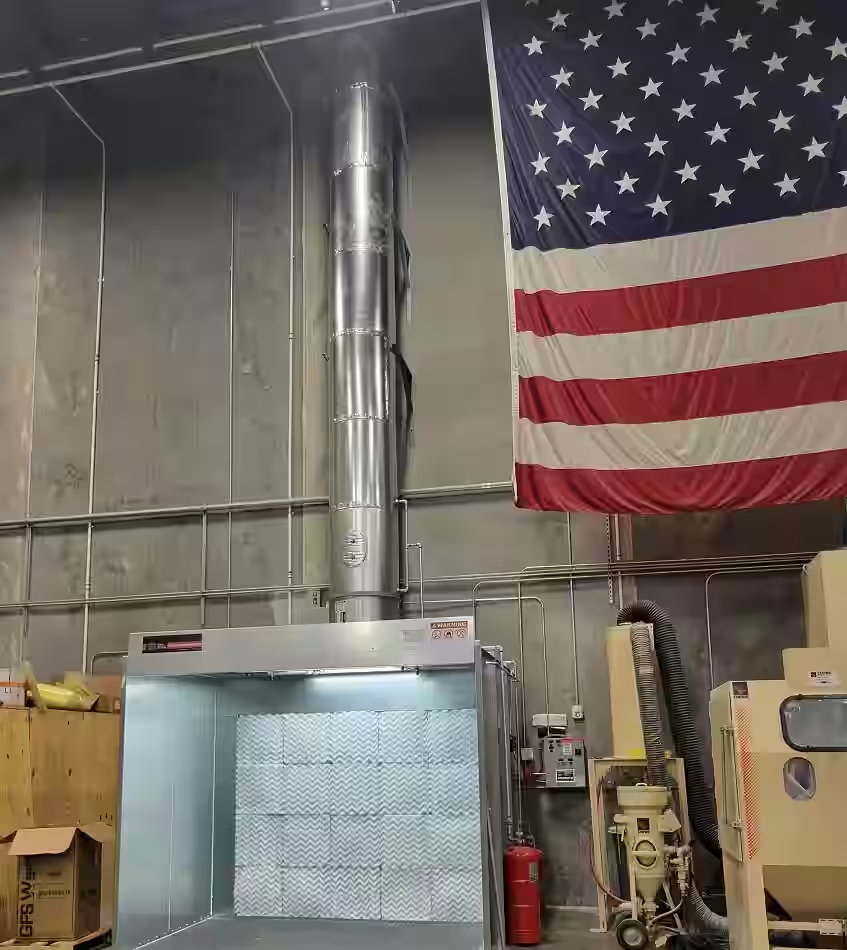
At the heart of every high-performing paint booth automotive setup is its airflow system. The way air moves through the cabin determines how effectively overspray is cleared, how clean the painting environment remains, and how much post-paint buffing your technicians will have to perform. Understanding draft patterns and fluid dynamics is essential before embarking on a downdraft paint booth installation or selecting an alternative layout.
Airflow Configurations in a Paint Booth Automotive Setup
There are three primary airflow patterns used in commercial automotive finishing:
1. Downdraft Airflow Systems
Widely recognized as the gold standard for high-end collision repair, downdraft systems introduce clean, filtered air through the ceiling plenum. The air travels straight down over the vehicle, wrapping it in a protective envelope of air, and is pulled through an exhaust pit in the floor.
- Pros: Unmatched contamination control. Overspray is pulled downward away from the painter and the freshly painted panels, virtually eliminating airborne dust landing on the wet clear coat.
- Cons: Requires concrete excavation for exhaust pits, resulting in higher initial installation costs.
- Best For: High-volume collision centers and OEM-certified shops looking to maximize throughput and achieve flawless finishes.
2. Semi-Downdraft Airflow Systems
A hybrid system that balances performance and installation complexity. Air enters through the ceiling at the front of the booth and is drawn diagonally across the vehicle before exiting through an exhaust plenum located at the floor level in the rear.
- Pros: No floor excavation or exhaust pits are required, making it a popular choice for leased buildings or facilities with concrete constraints.
- Cons: Airflow is slightly less uniform than a true downdraft, which can lead to minor overspray drift toward the rear of the vehicle.
- Best For: Small-to-medium shops upgrading from basic setups to a reliable auto body paint booth without the cost of concrete work.
3. Crossdraft Airflow Systems
The most basic configuration. Air enters through filters in the front main doors and is pulled horizontally across the vehicle, exiting through an exhaust filter bank at the rear of the booth.
- Pros: Highly economical upfront cost and extremely simple installation.
- Cons: Because air moves horizontally, overspray from the front of the vehicle travels across the rest of the body panels, increasing the risk of contamination and dry spray on the rear sections.
- Best For: Budget-conscious shops or facilities primarily handling individual parts and industrial components.
Premium vs. Economical Paint Booth Automotive Lines
When shopping for a new setup, you will typically choose between premium, high-efficiency systems and economical, space-saving series.
- Premium Lines (e.g., Ultra Series): These systems feature dual-skin insulated wall construction. Dual-skin panels contain thick thermal insulation (such as expanded polystyrene or rockwool) sandwiched between two sheets of pre-coated steel. This design prevents heat loss during bake cycles, ensuring rapid temperature rises and uniform curing. They also feature advanced programmable control panels, variable speed drives, and integrated velocity-boosting systems that can cut drying times in half.
- Economical Lines (e.g., ECONOMIC Series): Built using single-skin panels or lighter-weight insulated sandwich panels. These booths focus on space-saving footprints and low-noise operations (often averaging around 73 dB to ensure a comfortable shop floor). They are modular and highly reliable but lack the automated air recirculation and high-speed curing options of premium systems.
For shops looking to scale up while managing capital expenditures, a high-quality used auto body paint booth for sale that has been professionally inspected, relocated, and certified can bridge the gap between premium performance and an economical price tag.
| Feature / Specification | Premium Paint Booth Lines | Economical Paint Booth Lines |
|---|---|---|
| Wall Construction | Dual-skin insulated panels (male-female interlocking joints) | Single-skin or lightweight 50mm EPS sandwich panels |
| Airflow Control | Variable frequency drives (VFDs) & economy modes | Standard constant-speed motors |
| Energy Efficiency | Up to 90% air recirculation during flash/bake cycles | Direct exhaust or basic heat exchange systems |
| Noise Levels | Extremely quiet (insulated cabin dampening) | Low-noise operation (typically ~73 dB) |
| Curing Technology | Integrated air velocity boosters & smart bake profiles | Standard heat exchanger bake cycles (up to 70°C) |
| Best Suited For | High-volume collision centers, luxury OEM certifications | Small-to-medium workshops, rapid growth setups |
Selecting the Right Paint Booth Automotive System for Your Shop
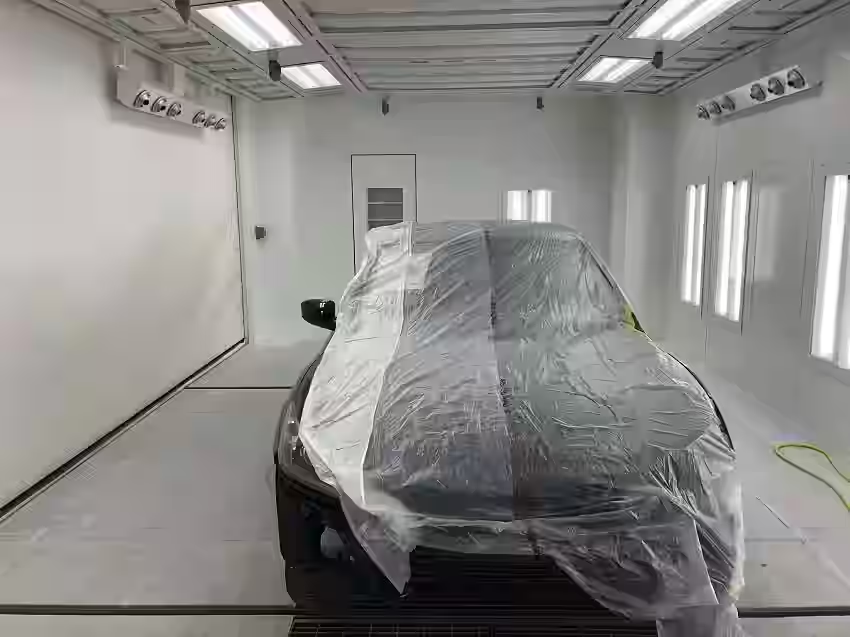
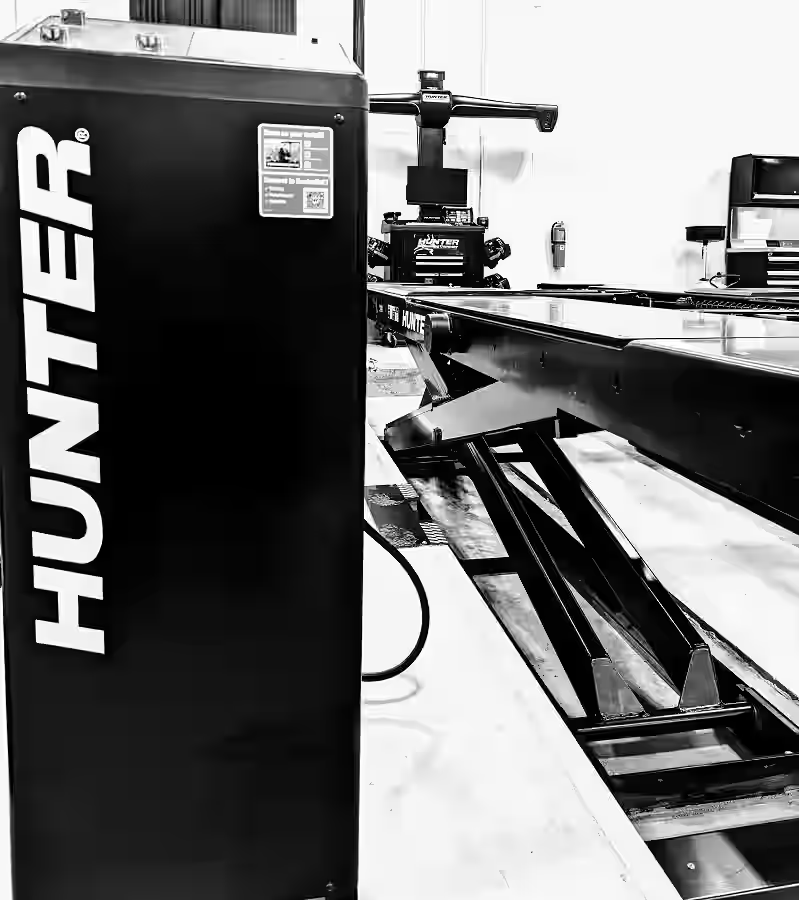
Investing in a spray booth requires a thorough evaluation of your facility’s layout, ceiling heights, utility access, and overall production goals. It is not just about buying a box; it is about configuring a workspace that eliminates production bottlenecks. If you are researching paint booth sales in michigan or browsing a paint booth for sale mi, our engineers at AutoTech Solutions can help you map out your shop floor for maximum efficiency. Our expertise extends beyond refinishing systems to complete shop layout planning, including professional car lift installation and heavy-duty equipment integration.
Sizing and Custom Engineering Services
Standard passenger vehicle paint booths typically measure 27 to 30 feet in length, 14 feet in width, and 9 feet in internal height. However, as trucks, commercial vans, and SUVs continue to grow in size, many modern shops are opting for taller 11-foot heights to ensure adequate clearance.
For shops with awkward floor plans, structural pillars, or limited square footage, custom engineering is critical. Advanced manufacturers utilize Computational Fluid Dynamics (CFD) modeling to simulate airflow and containment patterns before the booth is even manufactured. This ensures that even if a booth must be built with a customized side-exhaust or vertical space-saving heat system, the air will still flow smoothly and keep dust off the panels.
When you work with professional mi paint booth installers, you also receive stamped engineering drawings that simplify local building permits and ensure your structural, electrical, and gas connections are perfectly aligned.
Side-Load Systems and Prep Stations
To truly maximize the return on your investment, look at how vehicles move into and out of the spray booth. In a traditional linear setup, a vehicle must be driven or pushed in through the front doors and backed out when finished. This creates a significant bottleneck.
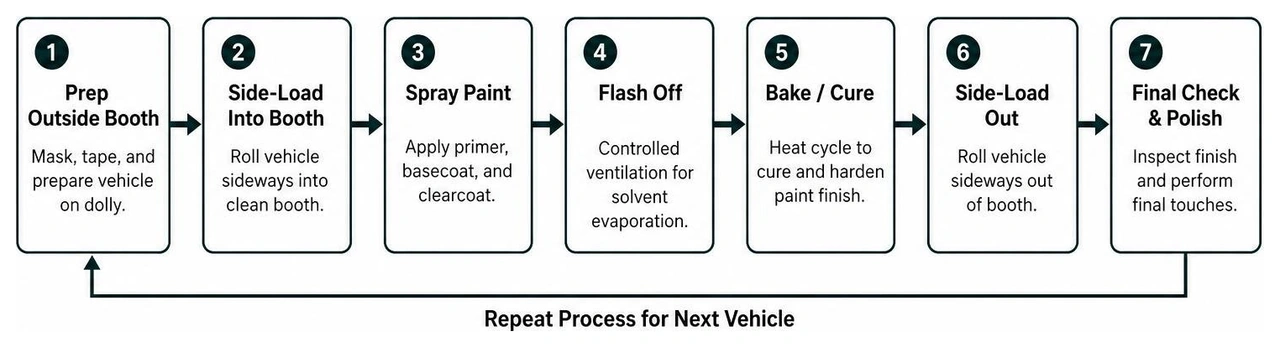
Integrating a Side-Load System with a track and dolly setup allows vehicles to be fully masked, taped, and prepped outside the booth on a mobile dolly. Once the booth is clear, the vehicle is simply rolled sideways into the cabin.
- Efficiency Gains: Side-load systems can save up to 15 minutes per cycle by eliminating the need to drive and maneuver vehicles inside the tight cabin space.
- Prep Stations: To keep your main spray booth running exclusively for painting and curing, it is best practice to install dedicated prep stations nearby. These environments are engineered with localized exhaust systems to capture sanding dust and primer overspray, keeping the main booth clean and free for high-value topcoat applications.
Integrating these systems requires careful coordination, which is why consulting a comprehensive collision center equipment install guide is highly recommended during the early stages of facility planning.
Advanced Curing Technologies and Workflow Equipment
Once the paint is applied, the clock starts ticking. Waiting for paint to dry naturally or relying solely on standard convection heat exchangers can create a massive backup on your shop floor. Modern commercial shops utilize advanced curing systems to accelerate the cross-linking of paint molecules and maximize daily throughput.
Infrared and UV-A Curing Lamps
Two highly efficient curing technologies have revolutionized the refinishing process:
1. Short-Wave Infrared (IR) Curing
Traditional convection heating warms the air inside the booth, which in turn warms the metal panels and eventually cures the paint from the outside in. Short-wave infrared, however, penetrates directly through the paint film to heat the metal substrate beneath. This cures the paint from the inside out, preventing solvent trapping and solvent popping.
- Inframatic EVO 2 Technology: Modern IR systems feature high-efficiency reflectors that concentrate the radiated beam exclusively at the front of the lamp. This design yields an average efficiency increase of 150% and up to 35% energy savings compared to conventional curing lamps.
- Configuration Options: Shops can choose between mobile trolley-mounted lamps (perfect for spot repairs in prep bays) and space-saving aerial rail systems. Aerial systems are mounted on overhead aluminum tracks, allowing multi-directional movement along the length and width of the booth without taking up precious floor space.
2. UV-A Curing
For shops using specialized UV-curable primers and clear coats, UV-A LED curing lamps provide near-instantaneous drying. Handheld or rail-mounted UV-A lamps can cure primers in under a minute, drastically reducing cycle times for small cosmetic repairs.
Maintaining these systems is critical for consistent performance, so ensuring your technicians follow a dedicated guide for curing lamp maintenance and repair will protect your investment and prevent unexpected downtime.
Complementary Clean Room and Mix Room Equipment
A high-performance paint booth cannot operate in isolation. It requires a clean, organized ecosystem of supporting equipment to maintain safety and finish quality:
- Paint Mixing Rooms: Storing and mixing paint requires a dedicated, ventilated environment that meets strict fire safety codes. Modern paint mixing room equipment includes spill-containment shelving, explosion-proof lighting, and direct-connected ventilation to keep harmful chemical vapors away from technicians.
- Waterborne Paint Drying Systems: Waterborne coatings require high-velocity air movement to break the boundary layer of humidity and evaporate water from the wet paint. Integrating a waterborne paint drying system (such as ceiling-mounted or corner-mounted air jets) ensures rapid flash times between coats.
- Spray Gun Cleaners: Keeping your high-volume low-pressure (HVLP) spray guns spotless is vital. An automatic spray gun cleaning machine uses recirculated solvent or waterborne cleaning solution to thoroughly flush fluid passages, extending gun life and preventing color contamination.
- Supplies & Organization: From high-efficiency ceiling filters (which can achieve a filtration efficiency of 99.8% compliant with AFI standards) to tack rags and protective wall coatings, having a reliable source for auto body paint shop supplies keeps your daily operations running smoothly.
Safety Codes, Compliance, and Energy Efficiency
Operating a commercial paint booth involves handling flammable materials, high-voltage electrical connections, and pressurized natural gas or propane. Therefore, safety and code compliance must be at the forefront of your purchasing and installation decisions.
Compliance Standards to Look For
Before purchasing any equipment, confirm that it meets the following national and local standards:
- NFPA 33: The National Fire Protection Association standard for spray applications using flammable or combustible materials. This governs booth construction, ventilation rates, and electrical safety distances.
- NFPA 86: The standard for ovens and furnaces, which applies to the curing and baking cycles of direct-fired gas burner systems.
- OSHA Standards: Ensures that air quality, noise levels, and respiratory protection systems meet worker safety requirements.
- IFC Chapter 24 & 30: The International Fire Code regulations governing spray finishing and industrial ovens.
- ETL and cETLus Listing: This is the most crucial mark for shop owners. An ETL listing indicates that the entire paint booth assembly has been independently tested and certified by a third-party laboratory to meet all UL and CSA safety standards. Having an ETL-listed booth makes local building and fire inspections significantly easier.
If you are considering renting a facility or setting up a temporary shop, review our paint booth rent complete guide to understand the strict code compliance hurdles involved in temporary installations.
Energy-Saving Technologies and Recirculation
Because paint booths require massive amounts of air to be heated, filtered, and moved, they are traditionally the largest energy consumers in an auto body shop. However, modern engineering has introduced several ways to slash operating costs:
- Economy Mode: When a painter steps out of the booth to mix paint or prep another vehicle, the booth does not need to run at full power. Intelligent control systems automatically ramp the booth down to an idle speed when not in use. This simple feature can save shops up to 60% in electricity and 75% in fuel costs.
- Smart Air Recirculation: During the bake cycle, heating 100% fresh outdoor air is incredibly expensive. Advanced booths utilize air recirculation systems (recirculating up to 90% to 95% of the heated air during flash and bake modes while using only 5% to 10% fresh air). This drastically minimizes the heating demand and lowers CO2 emissions.
- Dry Scrubber Systems: Traditional wet scrubbers use water curtains to capture paint overspray, which requires heavy chemical treatment and high energy loads. Modern dry overspray separation systems (such as those featured in high-efficiency multi-task booths) can achieve energy consumption up to 75% lower than wet scrubbers and 40% lower than conventional dry scrubbers, making them the most eco-friendly choice on the market.
For more details on these high-efficiency systems, you can explore the EcoProBooth – One Spray Booth for All Painting Tasks - Dürr technology, which showcases the cutting edge of industrial air recirculation.
Maintenance and Service Support
Even the most advanced paint booth will quickly lose efficiency and finish quality if it is not properly maintained. Over time, overspray builds up on exhaust fans, filters clog, and burner systems lose calibration.
To protect your investment, implement a strict automotive paint booth maintenance schedule:
- Daily/Weekly: Replace exhaust floor filters when pressure gauges indicate a drop in airflow. Apply peelable protective coatings (like Booth Shield) to cabin walls to catch overspray and keep the interior bright.
- Monthly: Inspect intake ceiling filters (aim for 99.8% filtration efficiency to keep dust out) and clean the glass on your LED light fixtures to maintain optimal illumination (+800 to +950 Lux).
- Annually: Schedule a professional service technician to inspect burner gas valves, calibrate pressure switches, and verify fan belt tension.
When unexpected issues arise, having a handy paint booth repair tips guide can help your technicians troubleshoot minor electrical or airflow faults quickly. For complex mechanical issues, relying on a certified partner for collision center equipment maintenance ensures that your shop stays safe, compliant, and fully operational.
Frequently Asked Questions about Automotive Paint Booths
What is the difference between downdraft and semi-downdraft airflow?
The main difference lies in how the air is exhausted and the concrete work required. A downdraft booth pulls clean air from the ceiling straight down through an exhaust pit in the floor, providing the cleanest possible painting environment. A semi-downdraft booth pulls air from the ceiling front and exhausts it through a plenum at the floor rear, requiring no floor excavation. For heavy-duty operations or large-scale parts, choosing an industrial paint booth with customized airflow configurations is often the best path forward.
How do modern paint booths reduce energy consumption?
Modern booths utilize three main energy-saving technologies:
- Economy Mode: Automatically idles the fans and burner when the booth is not actively spraying, saving up to 60% in electricity and 75% in fuel.
- Air Recirculation: Recirculates up to 90% of the heated air during flash and bake cycles, drastically reducing the energy needed to heat incoming cold air.
- Dry Overspray Separation: Replaces energy-intensive wet scrubbers with dry filtration, lowering energy consumption by up to 75%.
Why is ETL listing important for commercial paint booths?
An ETL or cETLus listing proves that the entire paint booth system has undergone rigorous, independent third-party safety testing. This certification guarantees that the equipment complies with national safety standards (such as NFPA and OSHA), which is essential for obtaining local building permits and passing fire marshal inspections.
Conclusion
Investing in a paint booth automotive setup is one of the most significant decisions a collision center or body shop manager will make. From selecting the right airflow pattern to integrating advanced short-wave infrared curing and ensuring strict NFPA compliance, every detail directly impacts your shop's daily throughput and long-term profitability.
At AutoTech Solutions, we are dedicated to helping shops minimize downtime and maximize efficiency. With physical locations in Charlotte, NC; Raleigh, NC; Wade, NC; and Novi, MI, we provide a true one-stop-shop experience for automotive equipment sales, professional car lift installation, emergency repairs, and preventative maintenance.
Whether you are designing a brand-new facility from scratch or upgrading an existing setup, our local teams are ready to support you. Check out our comprehensive paint booth experts michigan guide for regional tips, explore our dedicated paint booth service options, or read our paint booth installation cost guide to start budgeting.
Ready to take your shop's finishing quality to the next level? Visit our AutoTech Solutions Paint Booth Solutions page today to request a custom quote or connect with a local equipment expert in your area.